Digital transformation and automation can help identify bottlenecks, uncover chronic downtime contributors, detect underperforming instruments or assets, and even pinpoint workflow inefficiencies at the operator level.
Digital transformation, automation insights
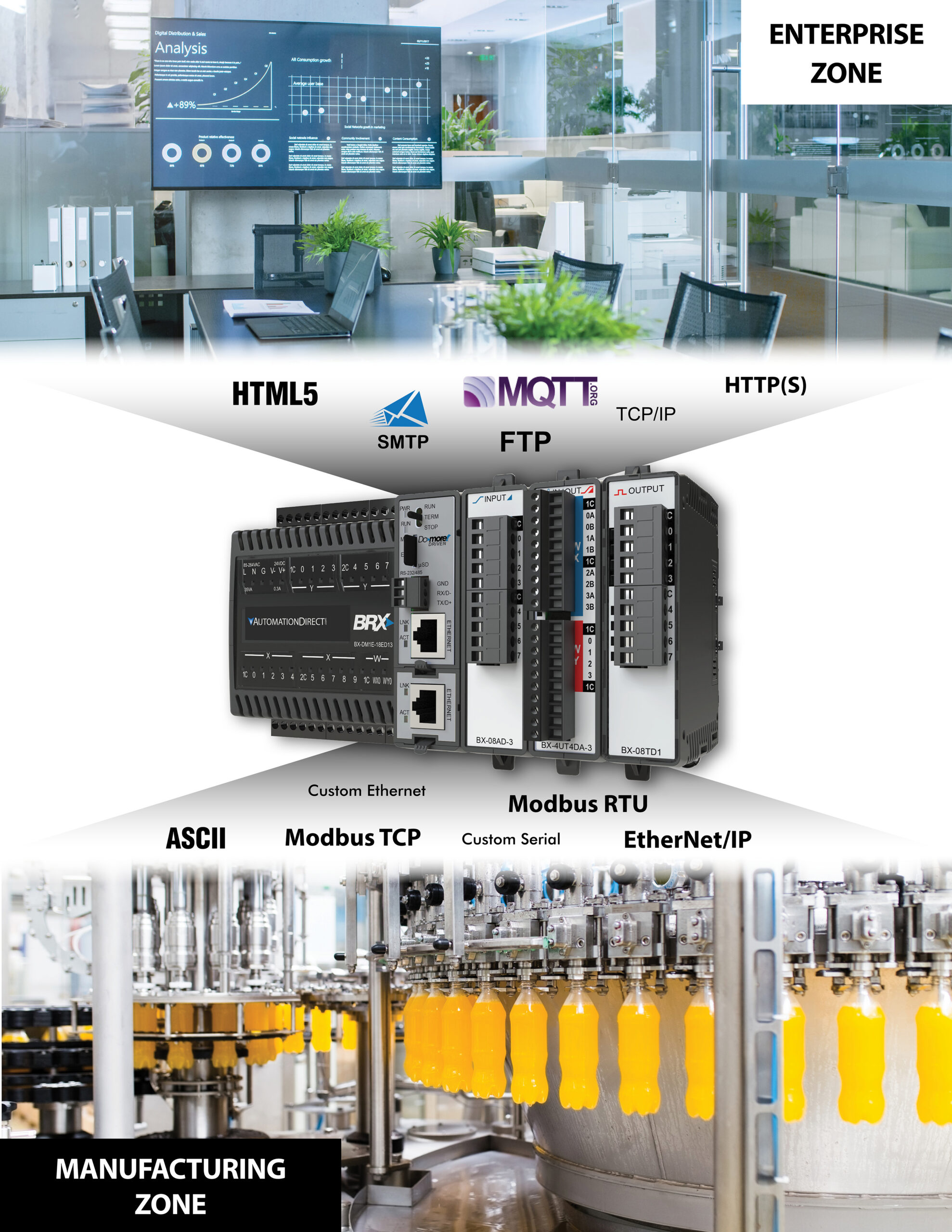
- Digital transformation integrates traditionally siloed data—controls, instrumentation, maintenance logs, quality metrics, and production counts—into a unified operational view.
- Automation engineers use digital transformation tools to continuously improve performance based on measurable data.
- Digital transformation often requires breaking down long-standing data silos, and that cultural shift must start internally with collaboration across teams.
Automation is helping digital transformation, and automation providers see when their customers are creating measurable performance improvements. Damon Purvis PLC product manager, AutomationDirect, provides some insights.
What value does digital transformation offer to automation, controls and instrumentation?
Answer: Digital transformation enables organizations to move from opinion-based decision-making to fact-based operational leadership. By leveraging verifiable, near real-time production data, teams across management, engineering, maintenance, and quality can make informed decisions grounded in measurable performance rather than outdated reports or manually recorded data.
Beyond improving visibility, digital transformation integrates traditionally siloed data—controls, instrumentation, maintenance logs, quality metrics, and production counts—into a unified operational view. This holistic perspective reveals how the entire system is performing, not just individual components. With this level of insight, manufacturers can identify bottlenecks, uncover chronic downtime contributors, detect underperforming instruments or assets, and even pinpoint workflow inefficiencies at the operator level.
In many cases, the value is realized not through major capital investment, but through better utilization of existing assets. For example, one manufacturer was considering purchasing additional equipment to increase line throughput. However, by implementing a relatively simple overall equipment effectiveness (OEE) monitoring application on the existing line, they discovered that the capacity already existed. The true constraint was equipment availability. By addressing downtime and improving availability, they achieved the desired throughput without purchasing new machinery.
Digital transformation, when applied correctly, does not just generate more data—it drives measurable operational optimization.
How is digital transformation changing how experts in automation, controls and instrumentation work?
A: When implemented effectively, digital transformation shifts automation and controls professionals from reactive troubleshooting to proactive performance management.
For controls and instrumentation technicians, greater access to real-time equipment data—such as runtime hours, cycle counts, vibration trends, temperature and performance deviations—enables condition-based maintenance instead of calendar-based servicing. Rather than responding to unexpected failures, technicians can identify wear patterns, predict service intervals and schedule planned downtime before a disruption impacts production.
Automation engineers are similarly empowered. With continuous visibility into machine performance, throughput rates, downtime events, and quality metrics, they can fine-tune control strategies, optimize cycle times, and align equipment behavior more closely with operational demands. Instead of commissioning a system and revisiting it only when problems arise, engineers can continuously improve performance based on measurable data.
Ultimately, digital transformation elevates the role of automation professionals. It transforms them from system maintainers into system optimizers—focused not only on keeping equipment running, but on maximizing efficiency, reliability, and overall operational performance.
For those who feel stalled in digital transformation or think it’s just a buzzword, what do you recommend?
A: In its early stages, digital transformation often felt like a buzzword—an abstract concept surrounded by hype but lacking clear direction. Today, that is no longer the case. The market has matured. What was once conceptual has evolved into tangible technologies, proven methodologies, and commercially available solutions that deliver measurable results. AutomationDirect supplies a wide range of PLCs, connectivity/networking devices, and other automation products which are easily applied to existing or new applications to create practical digital transformation solutions.
What parting advice do you have about digital transformation?
A: Successful digital transformation begins with a clear understanding of the problem you are trying to solve. Whether working with internal teams or external contractors, the solution must be aligned to defined operational objectives. This is not a one-size-fits-all initiative. Different industries, applications, and production environments require different tools, architectures, and implementation strategies to achieve meaningful results.
Equally important is organizational alignment. Before beginning the journey, stakeholders across operations, engineering, IT, maintenance, and executive leadership must agree on goals and expectations. Digital transformation often requires breaking down long-standing data silos, and that cultural shift must start internally. If the organization is not willing to address those barriers, even the best third-party integrator will struggle to deliver sustainable results.
For brownfield facilities, there is an additional consideration. Legacy systems may lack the network infrastructure, data accessibility, or device compatibility required to support modern digital initiatives. Upgrading this foundation can represent a significant investment. Senior leadership should understand this reality before contracts are signed and budgets are finalized.
Ultimately, digital transformation is not simply a technology project—it is a strategic operational initiative. When approached with clear objectives, organizational commitment, and realistic expectations, it becomes a powerful driver of performance and competitiveness.
Edited by Mark T. Hoske, editor-in-chief, Control Engineering, Arrowfly, [email protected].
Keywords
Digital transformation, automation advantages
Consider this
How is digital transformation driving your performance and competitiveness?
You also might like
More from Damon Purvis and Control Engineering
Controllers, interfaces provide advanced edge computing capabilities
https://www.controleng.com/controllers-interfaces-provide-advanced-edge-computing-capabilities