How contextualized data, edge intelligence and targeted roadmaps drive real plant reliability and measurable ROI.
Digital transformation insights
- Digital transformation turns operational data into contextualized, actionable insight, enabling predictive maintenance, simulation, AI-assisted decisions and more integrated plant operations.
- Real-time monitoring and intelligent edge analysis help understaffed teams identify issues faster, respond more effectively and build expertise without relying on manual maintenance rounds.
- Successful digitalization should begin with targeted assessments and small, measurable projects rather than indiscriminate sensor deployment, producing faster ROI and scalable results.
In an increasingly competitive industrial landscape, manufacturers must find smarter ways to improve reliability, support lean teams and respond quickly to changing conditions. This Q&A explores how digital transformation can connect automation, controls and instrumentation data to deliver actionable insights, stronger maintenance strategies and measurable operational results.
1. What value does digital transformation offer to automation, controls and instrumentation?
Today’s plants are operating in the most competitive environment ever seen. Globalization has increased competition, the supply of expert workers has diminished and market trends have changed frequently, necessitating a shift toward more flexible manufacturing. The ability to adapt quickly, safely and effectively is paramount to success, but that ability is hampered by the limitations of legacy technology. Digital transformation closes that gap.
Today’s most effective automation, controls and instrumentation can do more than just report data. Next-generation automation technologies are contextualizing data and integrating systems as part of a seamless enterprise operations platform. As teams drive contextualized data from the intelligent field, through the edge and into the cloud, they break down data silos, empowering them to leverage modern digital tools, such as predictive maintenance, simulation for testing and training, and even AI. This can turn data into actionable insight while providing decision support to implement best practices and deliver operational excellence.
2. How is digital transformation changing how experts in automation, controls and instrumentation work?
Today’s lean teams are short on staff and often even shorter on expertise. With fewer people in the plant, and many of the people needing more time and assistance to monitor the plant’s health, manual maintenance rounds are no longer the primary go-to for reliability. To address this and other issues, digital transformation is empowering organizations to quickly, easily and cost-effectively implement continuous condition monitoring to bring critical data — with context — directly to the people and systems that need it.
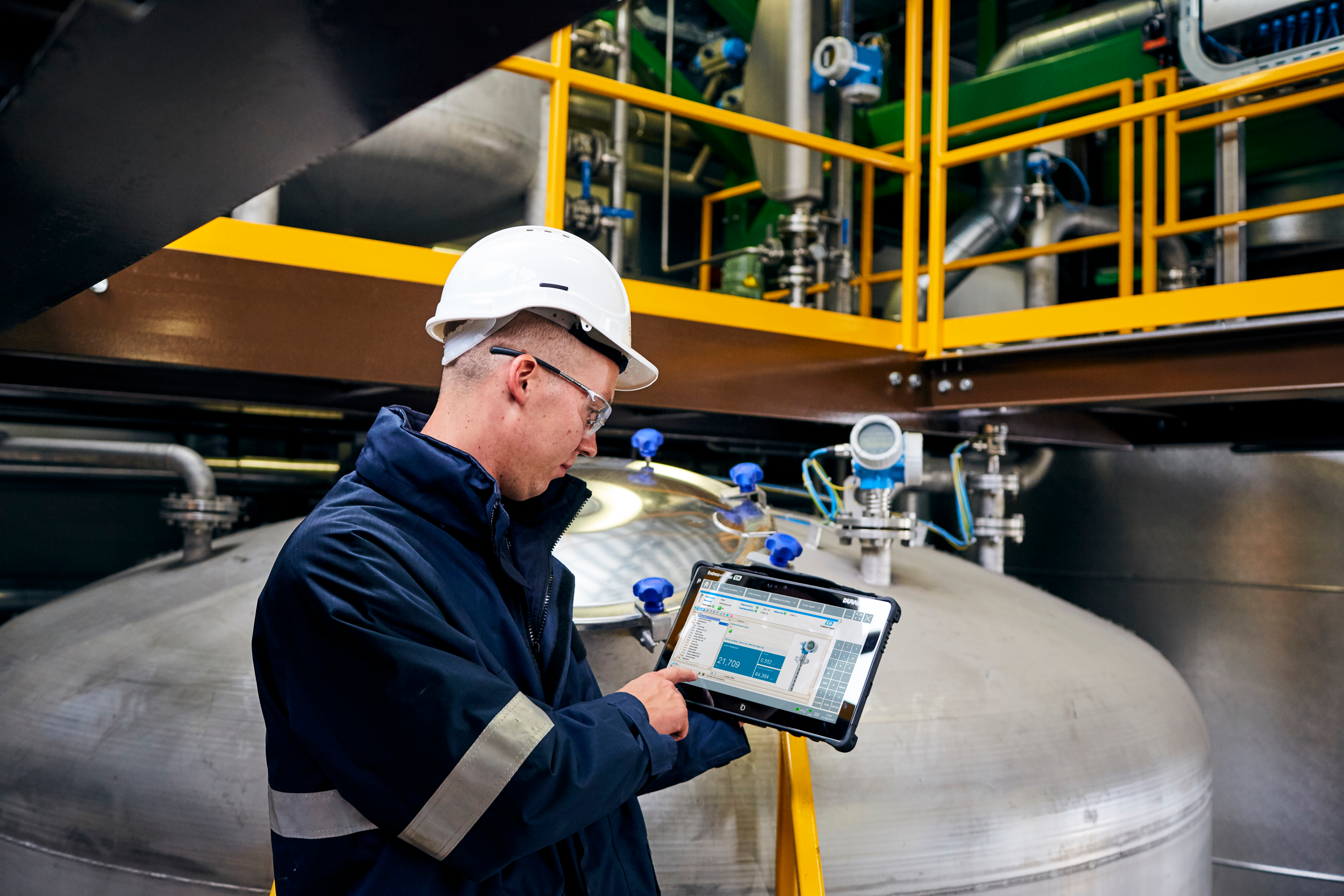
Today’s plant personnel can receive critical plant data in the palm of their hand in real time. Plus, that data is more meaningful because smart instrumentation doesn’t just deliver raw data. In many cases, it performs analysis at the edge — driven by built-in AI and machine learning models — and sends data that identifies the cause of the problem and provides initial steps to address the issue. Armed with more actionable information, users respond faster, are more effective at solving problems and upskill more quickly.
The same data that helps maintenance personnel react faster and more effectively also feeds the simulation, advanced process control and AI tools that help drive operational excellence and secure competitive advantage. It won’t be long before clean, contextualized data, organized as part of a seamless data fabric, will be a basic expectation for competitiveness.
3. For those who feel stalled in digital transformation or think it’s just a buzzword, what do you recommend?
We’ve used the term “digital transformation” for a long time now, and as a result, it has lost some of its bite. Regardless, the concepts are critical, and many of today’s most recognizable companies are executing these concepts to drive best performance, even in the face of market headwinds. These companies are capturing the competitive edge that will keep them successful for years to come. Today, especially in the face of rising AI integration, completely manual operations and maintenance cannot compete with digitalized organizations.
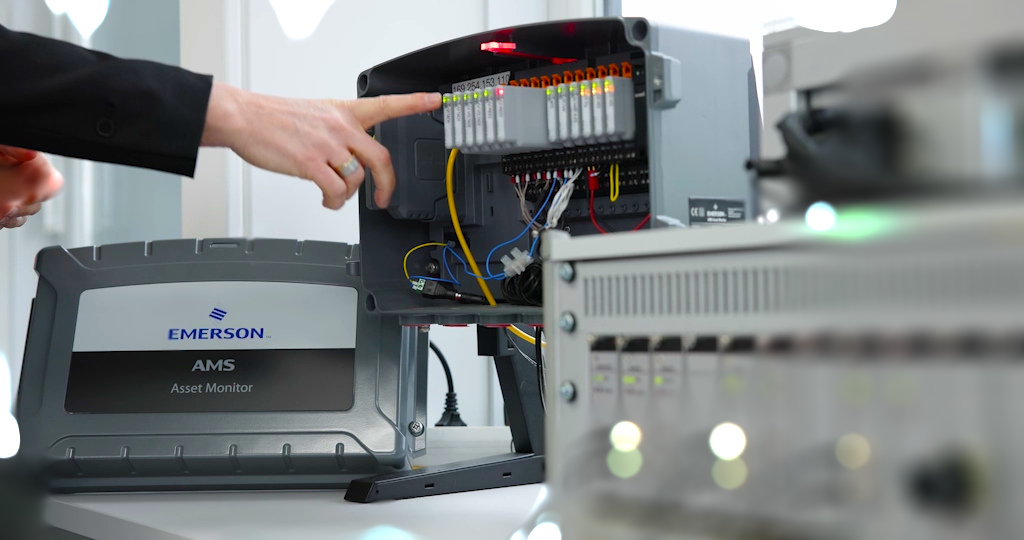
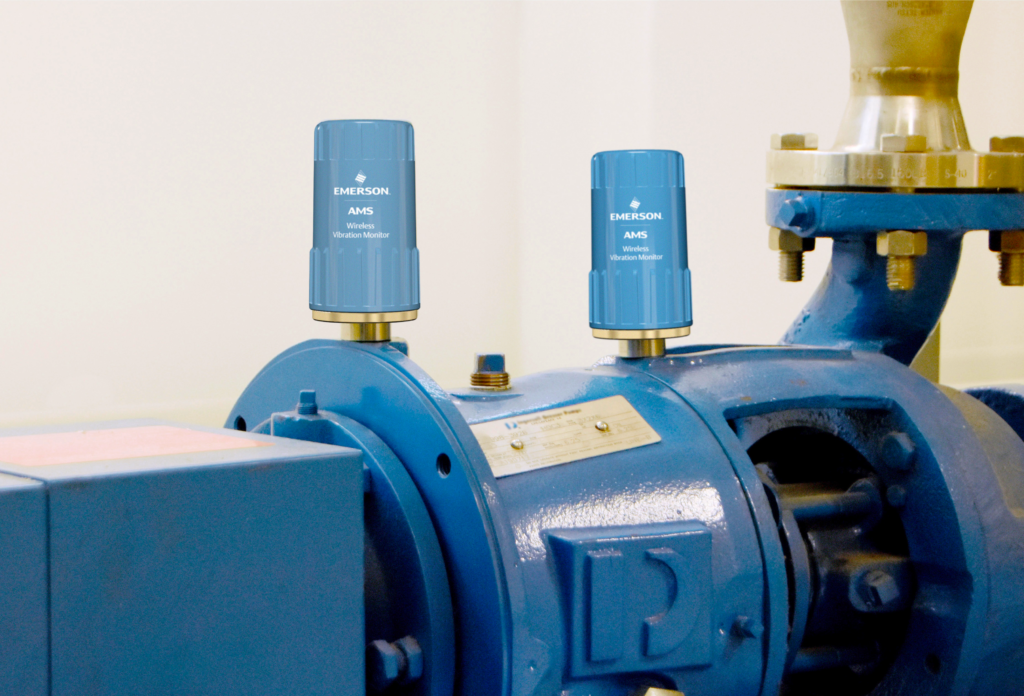
However, just because digitalization is essential doesn’t mean it is easy. The same personnel and expertise shortages that make it hard to complete manual tasks can also make it difficult to implement the newest technologies. That doesn’t mean teams should shy away from technology, however. If teams approach digital transformation incrementally, they can see great success with low cost and limited time required. Many of the most effective solutions — such as vibration monitors, like Emerson’s AMS Wireless Vibration monitor or AMS Asset Monitor — are easy to install yet still leverage powerful technology to deliver actionable insights to teams of any size and experience level.
For teams that want more advanced solutions but lack the personnel and knowledge to deploy them, expert automation solutions providers can offer services to leverage decades of industry-specific expertise. This can help identify needs, implement projects and build digitalization roadmaps to ensure success and accelerate return on investment (ROI).
4. Do you have examples of digital transformation metrics/benefits for automation, controls and instrumentation?
One North American oil and gas company that deployed wireless technology across a refinery saw initial return on investment in three months. Within the first six months, the system identified a bearing fault in a boiler feed pump, which allowed the team to prioritize maintenance and repair the pump before it ran to failure. That incident alone is estimated to have saved the company more than $60,000.
The improvements in reliability and maintainability convinced the team to expand from just over 2,000 sensors to a planned 5,500 sensors across the fleet by the end of 2026. They also deployed AMS Optics so they could see their entire fleet’s machinery health index on a single screen.
5. What parting advice do you have about digital transformation?
The most effective digital transformation solutions are the ones that target specific organizational needs. Many teams have run into digital transformation challenges by just sticking sensors on everything without a clear roadmap. That tactic often leads to data overload.
The most effective teams start with criticality assessments and gap analyses to identify areas where more specific contextualized data would help improve efficiency in existing workflows. Whether they do it on their own or partner with a trusted automation solutions provider, performing such a study and leveraging the results will lead to more targeted projects with clearer metrics for success. Those targeted projects lead to faster ROI and typically provide strong justification for future projects. It doesn’t take long for successful pilot projects to become organization-wide initiatives, but it does take vision and planning.
Ben Swisher is general manager for Emerson’s Reliability Solutions business. Edited by Gary Cohen, Control Engineering senior editor, [email protected].
Learning objectives
- Explain how digital transformation converts automation and instrumentation data into actionable insights that support reliability, efficiency and decision making.
- Identify how continuous condition monitoring, edge analytics, AI and connected data systems can help lean plant teams detect and address equipment issues faster.
- Apply a targeted, roadmap-driven approach to digital transformation that prioritizes critical needs, measurable outcomes and scalable return on investment.
Consider this
Before deploying new sensors or automation technologies across your facility, have you performed a criticality assessment to pinpoint the specific assets and operational gaps that will deliver the fastest, most measurable return on investment?