
In the $20 million to $40 million in system integration revenue category, Vertech is the winner.

2026 System Integrator of the Year, $20 million to $40 million in system integration revenue category insights
- Vertech is the 2026 System Integrator of the Year award winner in the $20 million to $40 million in system integration revenue category, from Control Engineering and Plant Engineering publications, WTWH Media.
- The company answered questions about automation and control system integration achievements, projects, engineering development and metrics, among others.
Vertech is the 2026 System Integrator of the Year award winner in the $20 million to $40 million in system integration revenue category. The company discussed automation and control system integration achievements, projects, engineering development and metrics, among other topics.
In your 2026 System Integrator of the Year application, what were you particularly proud of?
Vertech is particularly proud of the story behind our growth — because it’s not just about the numbers, it’s about what they represent. In the past two years, Vertech has nearly doubled in revenue, but what makes that meaningful is how it happened.
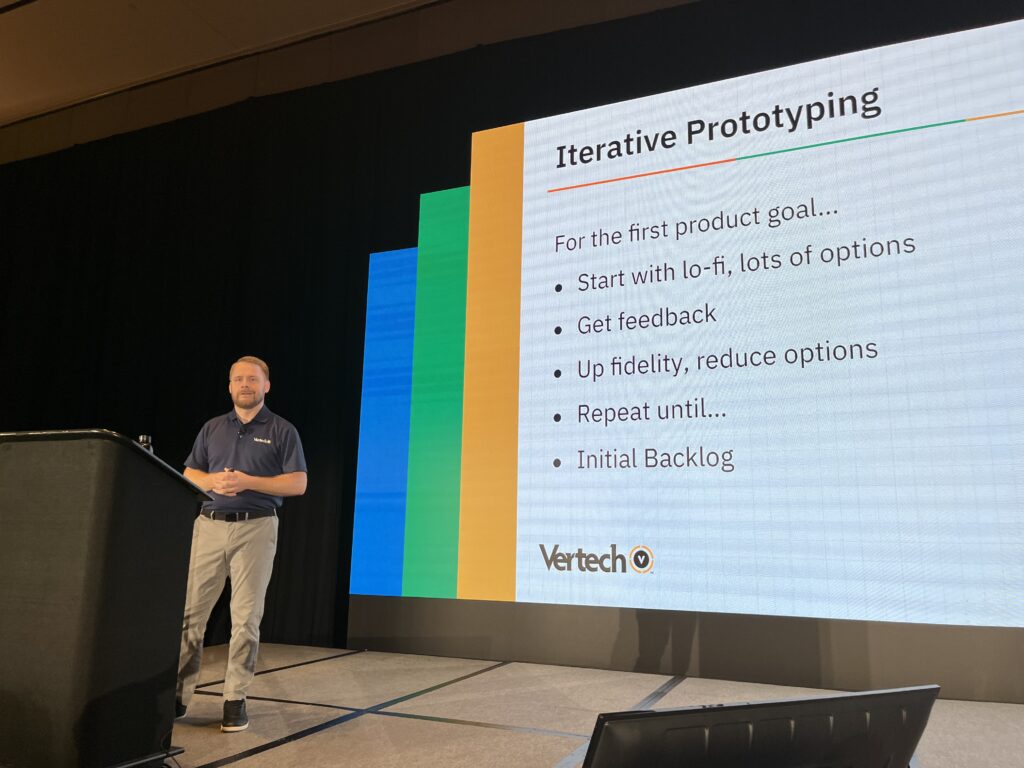
That drive comes from a team that genuinely cares about doing things right — technically, strategically and relationally. Our clients trust us with more work year after year because they know we’ll deliver systems that impact their operations. And at the same time, our marketing and sales teams have been intentional about expanding into new verticals, like data centers, in a way that aligns with our strengths and values.
Yes, the revenue growth is exciting, but it’s really a reflection of exceptional people — from recruiters to sales reps and engineers to project managers — who’ve built lasting relationships and executed with excellence. It’s proof that when you focus on delivering genuine value, growth takes care of itself.
Describe one or more system integration projects
Right now, we’re especially proud of the work we’re doing in the data center space. Many of our current projects are under non-disclosure agreements (NDAs), so I can’t share specifics. What I can say is that we’re developing architectures to address some of the industry’s toughest challenges, particularly around power-hungry, graphics processing unit (GPU)-intensive, liquid-cooled systems.
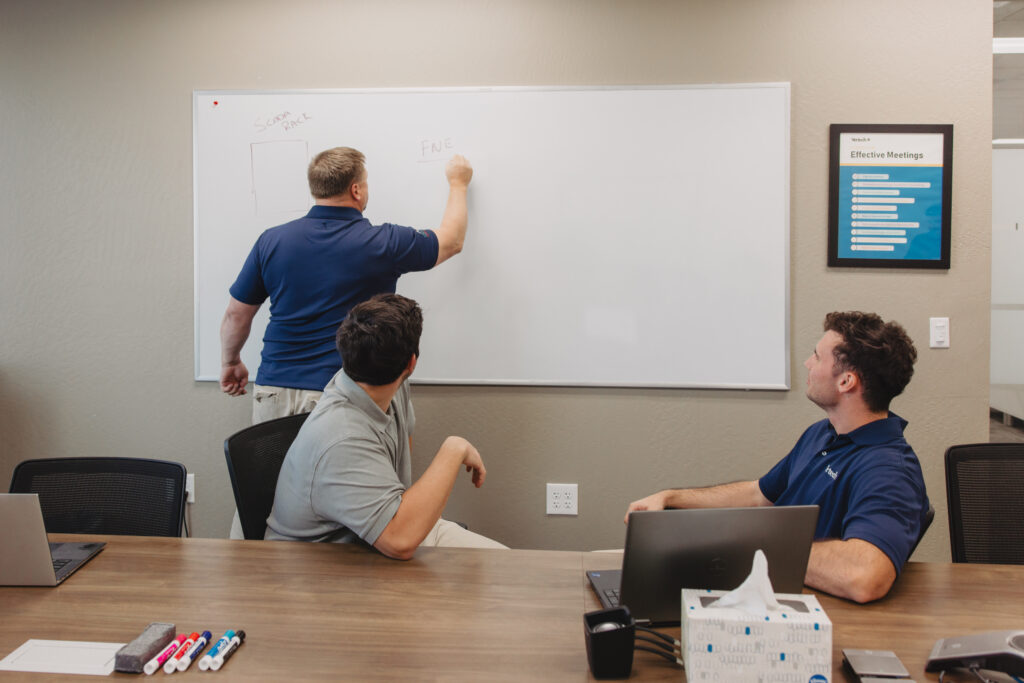
These architectures bring together advanced MQTT unified name space (UNS)-like data unification from devices for integration across the information technology/operational technology (IT/OT) landscape.
By integrating cooling and power systems [building management systems (BMS) and electric power monitoring systems (EPMS)], we’re helping operators optimize performance, improve energy efficiency and reduce overall power consumption. We’ve also designed these systems with scalability in mind using a library-based architecture that makes new deployments faster and more adaptable.
For us, the success comes down to impact: enabling our clients to meet massive data demands more efficiently, sustainably and intelligently. It’s cutting-edge work that aligns perfectly with where Vertech is heading — using innovation to elevate how critical infrastructure operates worldwide.
Our top five target industries are: Solar and renewable energy, data centers, water and wastewater, food and beverage, and manufacturing.
What system integration project methodologies do you use and why?
We have always been focused on creating technically sound and adaptable solutions. Increasingly, we are focused on the user perspective in our work. One key methodology we’re implementing is deep user experience (UX) research. This means taking the time to interview individual operators, managers and other stakeholders to understand what they need to be successful in their day-to-day activities. Having that human perspective means that the solution built will be useful and provide immediate return on investment (ROI). Incorporating UX feedback throughout a project makes for truly user-friendly systems and user interface (UI). It’s our basis for human-centered design. Technically excellent systems that don’t get used don’t create value.
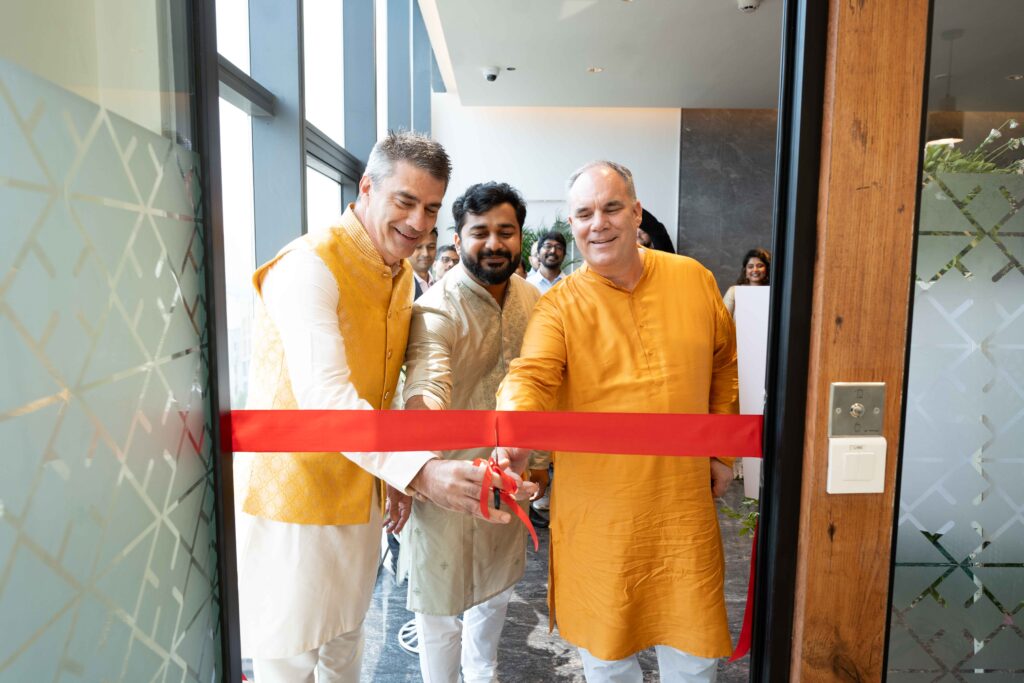
We recently unveiled Momentum Method, which compounds the value of UX research and iterative development to accelerate industrial software projects. With Momentum, you can start reaping the benefits of plant digitization just weeks into the project. We start with that UX research up front, quickly deliver the highest priority minimum valuable product (MVP), and then continue with a stream of deliveries every 2 weeks.
How have customer expectations for system integration projects changed?
Technology never stands still, and over the last 20 years, the pace of change has accelerated. From industrial internet of things (IIoT) and Industry 4.0 to digital twins and artificial intelligence (AI), we’ve seen every buzzword come across our desks — and we’ve helped our clients turn them from concepts into real, working systems.
Most clients want to be able to pull real-time data from every piece of equipment on their plant floor. That’s easily achieved, especially with our toolbox of advanced technologies. But it might not reflect the current reality of operations. For example, let’s say a programmable logic controller (PLC) on the floor is 15 years old, you might use most of that PLC’s processing power just on aggregating data. So now their process isn’t working because that PLC can’t perform its primary function. That’s where proof of concept really helps. You build a small solution, deploy and then scale it out to see what the impact will be. This is great for getting real user feedback early (and often) to eliminate big late-stage changes in the project.
With AI top of mind, customers can think that it will solve all operational problems. Sure, there’s a ton of potential for predictive maintenance, prescriptive data analytics and machine learning. But we tell customers, start small and do your due diligence. More importantly, start with a foundation of unified data that will provide AI the structure and context it needs. Data governance and hygiene are really what will enable you to take your plant to that next level.

Let’s not forget about industrial networking and cybersecurity. As industrial systems become increasingly connected across IT and OT networks, the challenge isn’t just about integration, it’s about protection. We’ve grown our capabilities to match the demands of modern industry, building a world-class industrial networking and cybersecurity (INCS) team to help our clients embrace innovation confidently without compromising safety, reliability or resilience in the connected enterprise.
How important is developing long-term customer relationships and why?
At Vertech, developing long-term relationships with our clients is essential to how we do business. The majority of our revenue comes from repeat customers who trust us to consistently deliver quality, innovative and dependable service. Each project is an opportunity to strengthen that trust by understanding our clients’ evolving needs and helping them achieve their goals. By investing in genuine, lasting partnerships rather than one-time transactions, we create mutual success and drive sustainable growth for our clients and for Vertech.
Have supply chain issues affected projects in any way?
As system integrators, we’ve always lived at the intersection of hardware suppliers and end customers. When the global supply chain tightened, that balancing act became even more delicate. Our approach was to lean into relationships and transparency rather than retreat from them. We made it a priority to frequently communicate, keeping our suppliers looped in on project forecasts and our customers informed about shifting lead times or pricing updates. That openness built the trust we needed to keep projects on track, even when circumstances were unpredictable.
Over time, those lessons have fundamentally changed the way we serve our customers. We’ve adapted our planning processes to be more proactive, our project designs to be more flexible and our communication to be more collaborative. When parts or hardware become unavailable, we don’t just wait it out — we partner with clients to evaluate alternative solutions, adjust specifications, or re-sequence project phases to keep momentum going. We’ve built systems that provide real-time visibility into supply status, pricing and inventory, giving our team and our customers the information they need to make quick, confident decisions.
The supply chain has tested us, but it also has strengthened us. It’s made us faster to adapt, better partners to our clients and more intentional about how we plan, communicate and deliver. In many ways, those challenges have made us a more resilient and customer-focused organization.
How are you helping younger engineers with automation and control system integration?
At Vertech, we believe investing in the next generation of engineers is key to sustaining excellence and innovation. That’s why we launched Control Freak University this year — a four-week, on-site training program designed to turn smart graduates into confident control systems engineers. Because we’re a remote-first company, this immersive experience gives new hires hands-on exposure to real-world tools and workflows from day one. Depending on the role of new hires, they dive deep into fundamentals like panel layouts, industrial networks, PLCs, human-machine interface (HMI), supervisory control and data acquisition (SCADA), and the Scrum framework, all while learning from experienced mentors. The program culminates in a team-based capstone project presented to a panel of senior engineers, simulating a true client delivery experience. By the time they return to their home offices, they’re equipped with the technical skills and collaborative mindset needed to contribute meaningfully to projects right away.
Please share a long-term goal
“Our long-term goal at Vertech is to become a truly full-service OT partner equipped with the capability set and capacity to meet every operational technology need our clients face,” explained Titus Crabb, Vertech president. “That means offering strategic consulting to align OT with business goals, delivering world-class consulting, engineering, development, and integration services, and providing reliable ongoing support. To get there, we’re investing in deep industry expertise, a broad range of technical skillsets, and a geographic presence that allows us to serve our clients where they are.”
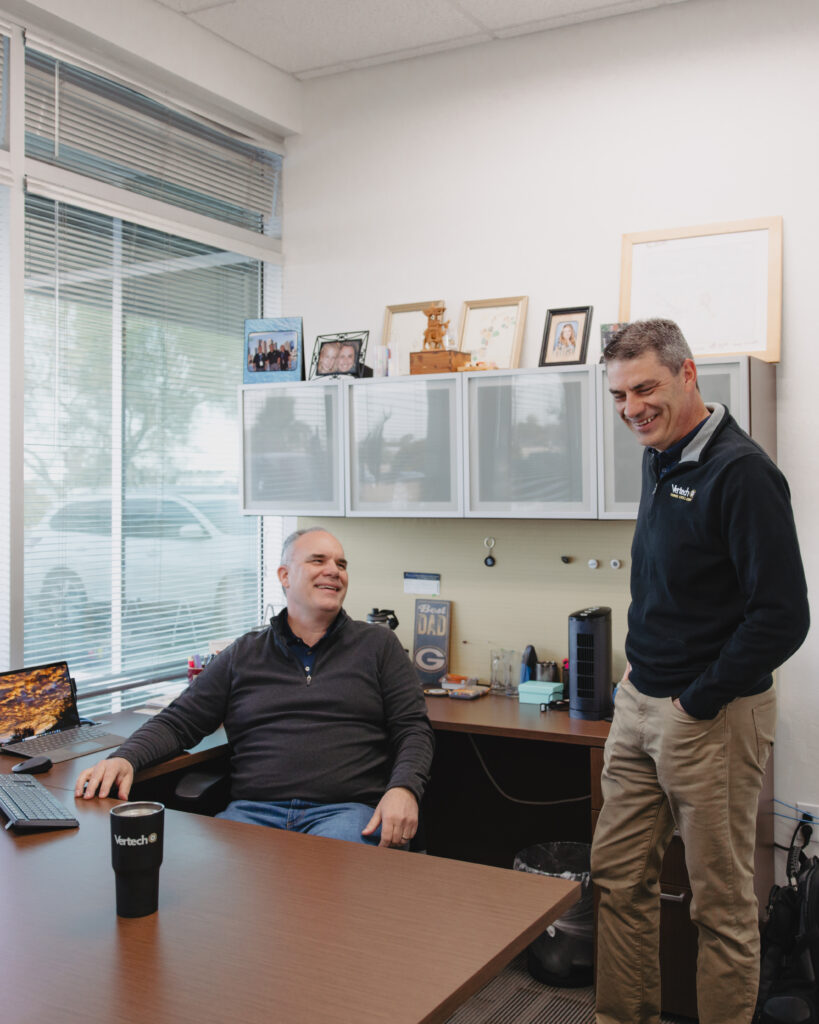
Doing all that will help with the big, hairy, audacious goal (BHAG) is to reach $500 million in revenue with a team of around 1500 people by 2035. But it’s not just about getting bigger. It’s about amplifying our mission to elevate human well-being by enabling the efficient, reliable delivery of quality goods and services worldwide. That growth will empower us to take on more complex projects, invest more in our people, and innovate in ways that make a real difference. It’s a vision that unites our team around building opportunity and lasting impact for our clients, partners, and the communities they serve.
Provide a few metrics and explain their importance
Key metrics include:
23% revenue growth: Fueled by tremendous momentum in our energy and data center verticals, this growth reflects the exciting trajectory we’re on toward our BHAG of $500 million in revenue by 2035 and the expanding impact of Vertech’s solutions across industries.
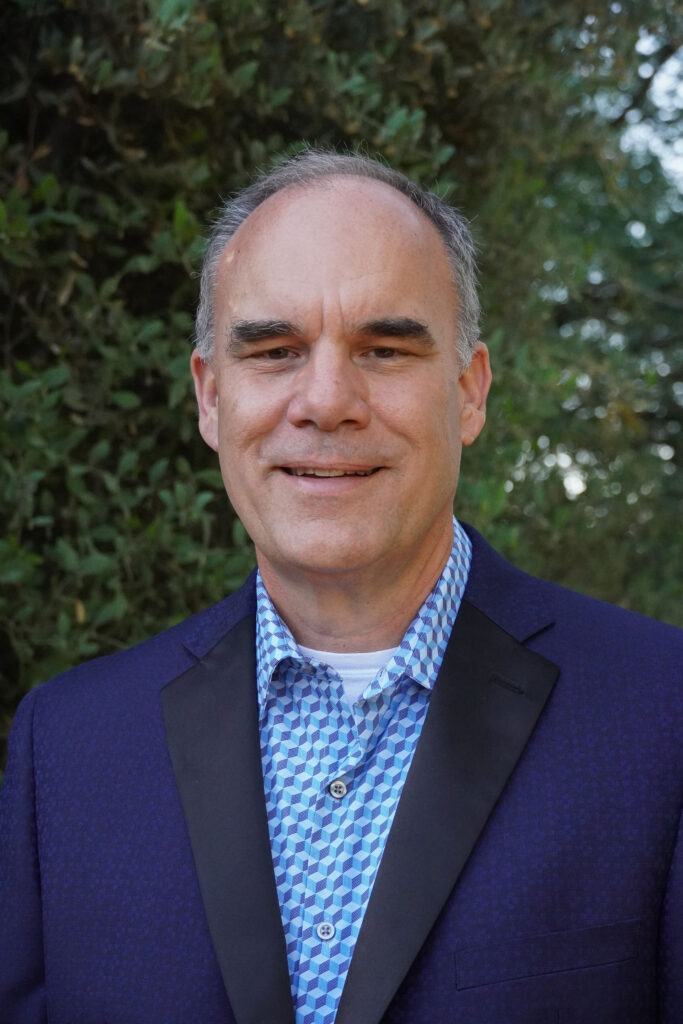
31% team growth: Driven by domestic expansion and the opening of our first international office in India, this growth demonstrates our investment in people — ensuring we have the talent, capacity and global reach to meet growing customer needs while maintaining exceptional service.
“We’ve focused on preserving our culture and ensuring that rapid growth doesn’t dilute what makes Vertech special,” said Bob Morris, Vertech vice president.
49% year over year earnings growth: “Our earnings growth is outpacing revenue, a clear sign that we’re becoming more efficient and disciplined as an organization. This efficiency not only strengthens our bottom line, it also empowers us to reinvest in innovation, people and infrastructure, fueling the next phase of our growth journey,” said Bob Morris, Vertech vice president.
Wendy Brodeur is marketing operations lead, Vertech.
Edited by Mark T. Hoske, editor-in-chief, Control Engineering, www.controleng.com, WTWH Media, [email protected] Amanda Pelliccione, marketing research manager, WTWH Media, administers the System Integrator of the Year program. Learn more; link to past winners: www.controleng.com/SIY.
ONLINE
For more, see the Vertech entry in the Global System Integrator Database.