From AI to analytics, today’s SIs are helping manufacturers bridge the gap between operations, IT and strategy.

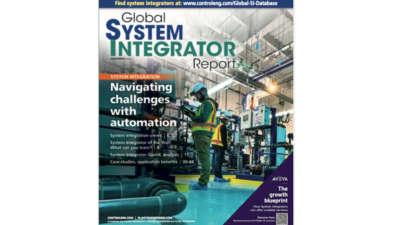
Welcome to the 2025 Control Engineering Global System Integrator Report. Each year, we take the pulse of the system integrator (SI) community — the engineers, project managers and business leaders connecting technology to production across the globe. This year’s findings reveal an industry in motion, shaped by increasing system complexity, smarter automation and evolving expectations from end users seeking speed, flexibility and measurable outcomes.
SI industry snapshot
System integrators remain the essential link between innovation and execution. They are the ones transforming buzzwords like “AI,” “digital twin” and “smart manufacturing” into working systems that boost productivity and resilience.
Yet as technology advances, so do challenges like finding specialized talent, navigating cybersecurity demands and delivering seamless integration across operational technology (OT), information technology (IT) and cloud environments, all while keeping projects on time and within budget.
Specialization and strategic services
One clear trend that stands out in 2025 is the rise of specialization. Integrators are setting themselves apart through deep vertical expertise, domain knowledge and value-added services that extend well beyond commissioning. From process optimization to analytics and predictive maintenance, SIs are moving upstream, helping clients shape digital strategies and long-term transformation goals that define modern industrial performance.
Whether you’re an integrator, manufacturer or automation supplier, this year’s report offers an inside look at how the industry is adapting — and where it’s headed next.
LEARNING OBJECTIVES
- Explain how system integrators help manufacturers implement advanced technologies like AI and digital twins.
- Identify the expanding role of SIs in providing strategic services such as analytics and predictive maintenance.
- Describe the key challenges SIs face, including system complexity, cybersecurity demands and talent shortages.
CONSIDER THIS
How can we strengthen our specialization and value-added services (like analytics and optimization) to better meet growing client demands for measurable digital transformation outcomes?