
Community college educators, students, manufacturers, technology providers and government representatives and others attended, celebrated and collaborated in a new $88 million manufacturing and technology center opening, local help to fill the U.S. manufacturing skills gap.
Manufacturing skills gap collaboration insights
- To address the growing U.S. manufacturing skills gap, community colleges are working with governments and industry to increase technology learning programs, labs and educational opportunities.
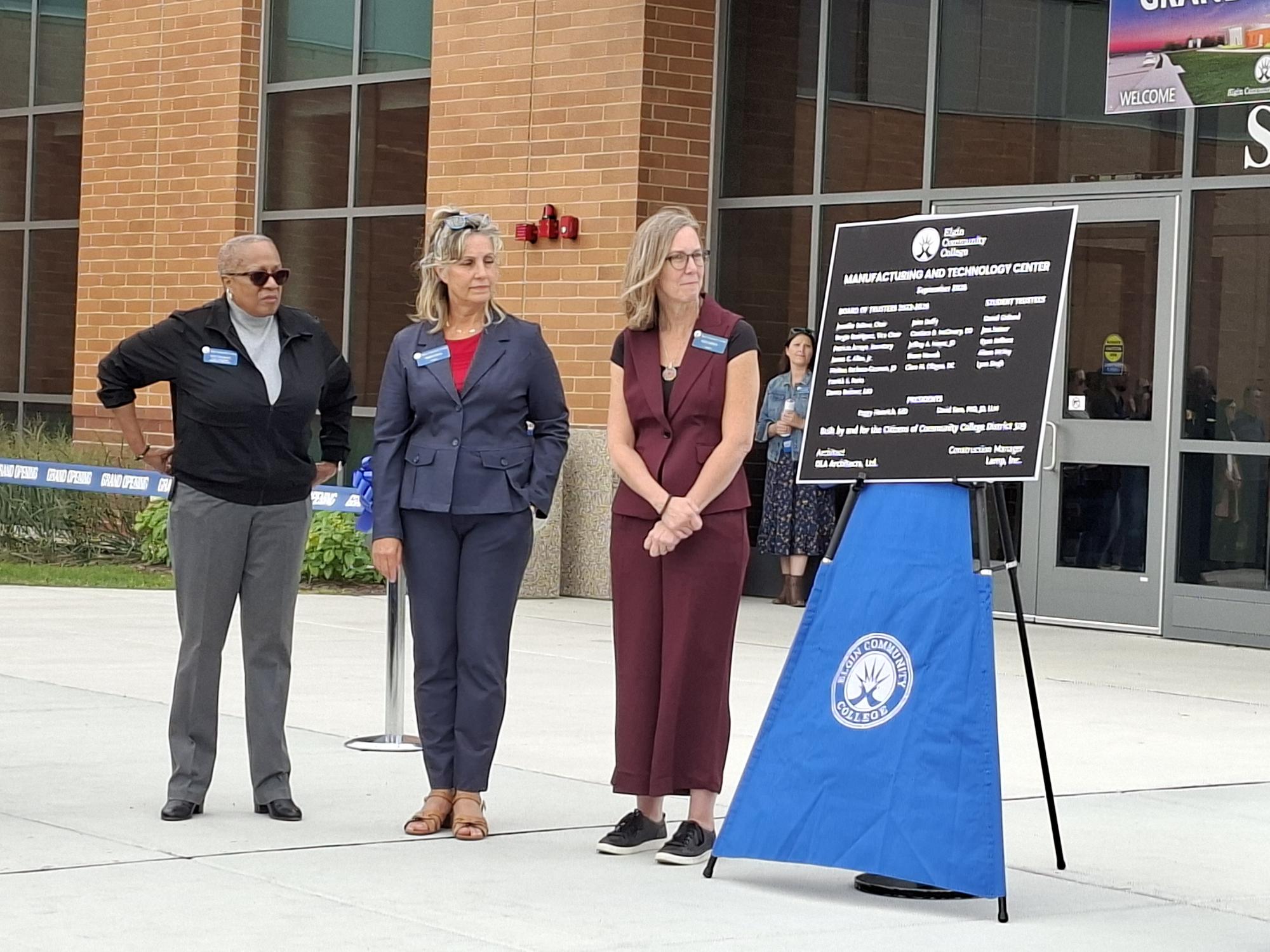
- The new Elgin Community College (ECC) $88 million Manufacturing and Technology Center welcomed students for the fall semester and celebrated its opening on Sept. 24 with remarks from officials and an open house.
- Robotics, renewable energy, pipe welding, industrial process control, computer numerical control (CNC), automation, HVAC/green energy, industrial maintenance and renewable energy are among educational opportunities served by the new Elgin Community College Manufacturing and Technology Center.
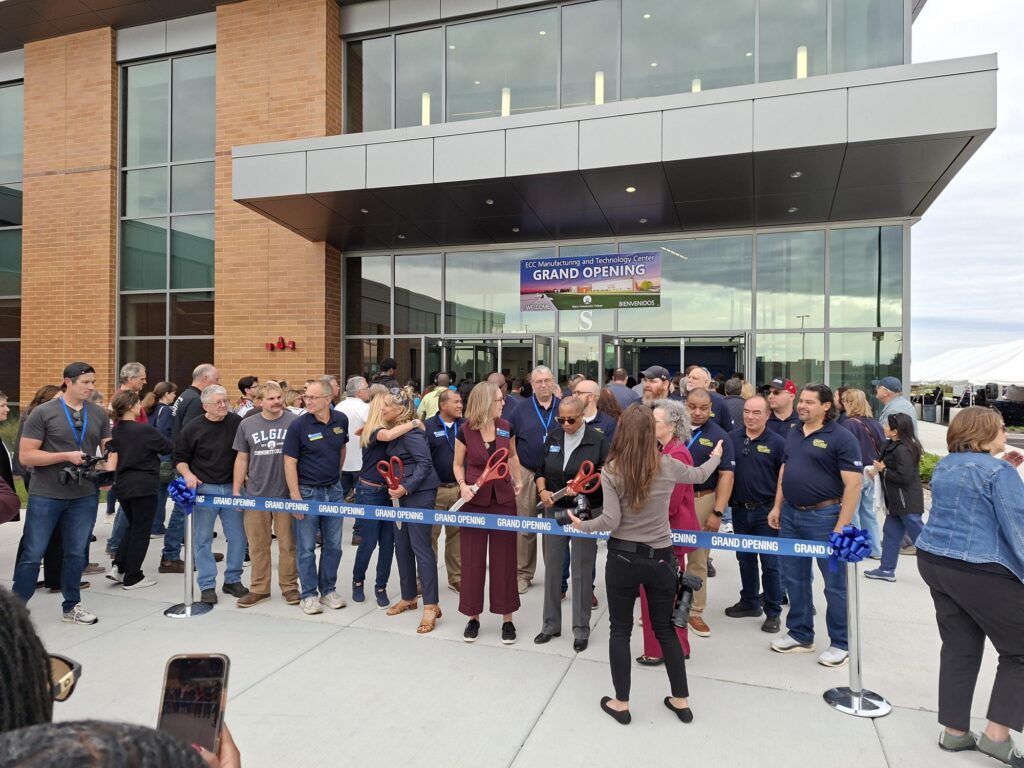
With approximately 580,000 U.S. manufacturing sector job openings growing to an estimated 2 million by 2030, community colleges are working with governments and industry to help fill that gap. Robotics, renewable energy, pipe welding, industrial process control, computer numerical control (CNC), automation, HVAC/green energy, industrial maintenance and renewable energy are among educational opportunities served by the new $88 million Elgin Community College Manufacturing and Technology Center. A Control Engineering photo gallery of the fall 2026 opening follows. Educators and students were the first photo opportunity in the ribbon-cutting area.
Figure 3: Elgin Community College new $88 million Manufacturing and Technology Center has an automation and robotics lab, as this short video at the Sept. 24 grand opening shows. The ECC Automation, Robotics and Maintenance Tech (ARM) program lab is 11,000 square feet of robots, sensors, programmable logic controllers (PLCs), power supplies, estops and other automation, educational and training areas. Courtesy: Mark T. Hoske, Control Engineering, Arrowfly
Investments to address the manufacturing skills gap, provide high-paying technology jobs
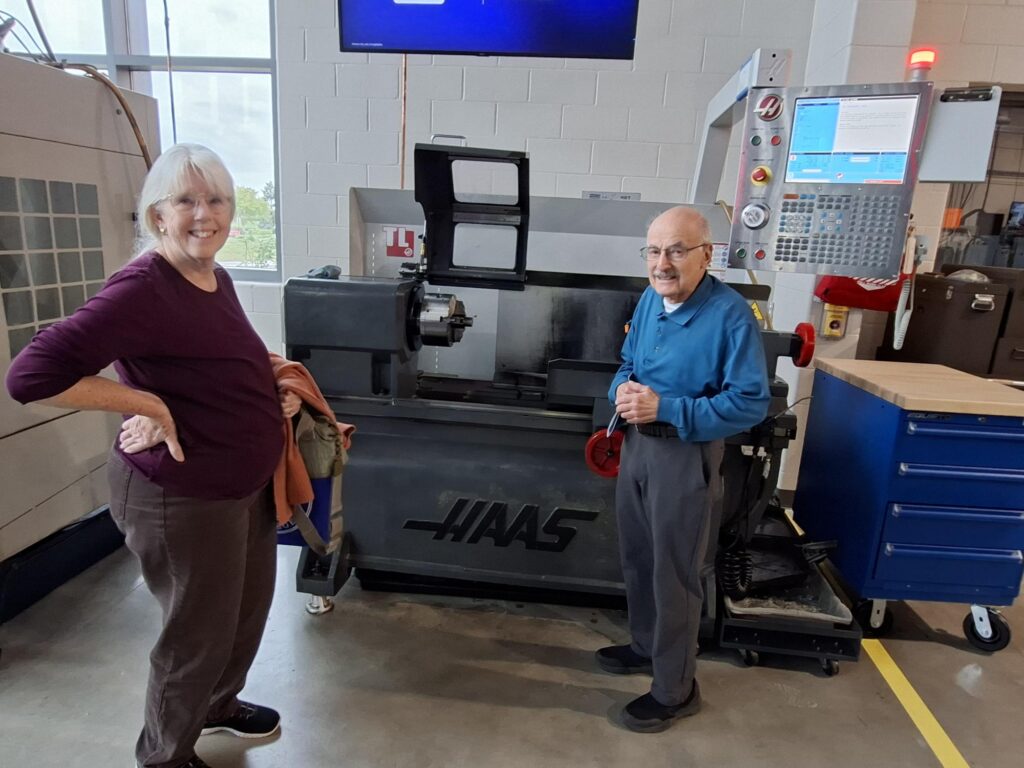
Figure 4: Denise Hoske, local U-46 para-librarian, and Frank Bartos, former Control Engineering executive editor, were among grand-opening visitors to the Elgin Community College new $88 million Manufacturing and Technology Center, Sept. 24. Courtesy: Mark T. Hoske, Control Engineering, Arrowfly
Lack of skilled workers and the economy were the leading manufacturing business challenges in the 2026 research, “Control Engineering Career and Salary Survey.”

The ECC MTC investment is an example of community colleges’ recognition and response, with governments, industry and employers, to educate more skilled manufacturing workers. The ECC MTC serves four Northern Illinois school districts (including the state’s second largest, U-46). Funding included an Illinois state investment of $28.5 million, a $2 million federal investment grant and donations from manufacturing equipment manufacturers of well over $1 million. The ECC MTC held a grand opening celebration for its first fall semester on Sept. 24. The 150,000 square foot facility provides modern labs, collaborative learning spaces and updated classrooms supporting advanced manufacturing needs, now and in the future, according to officials.
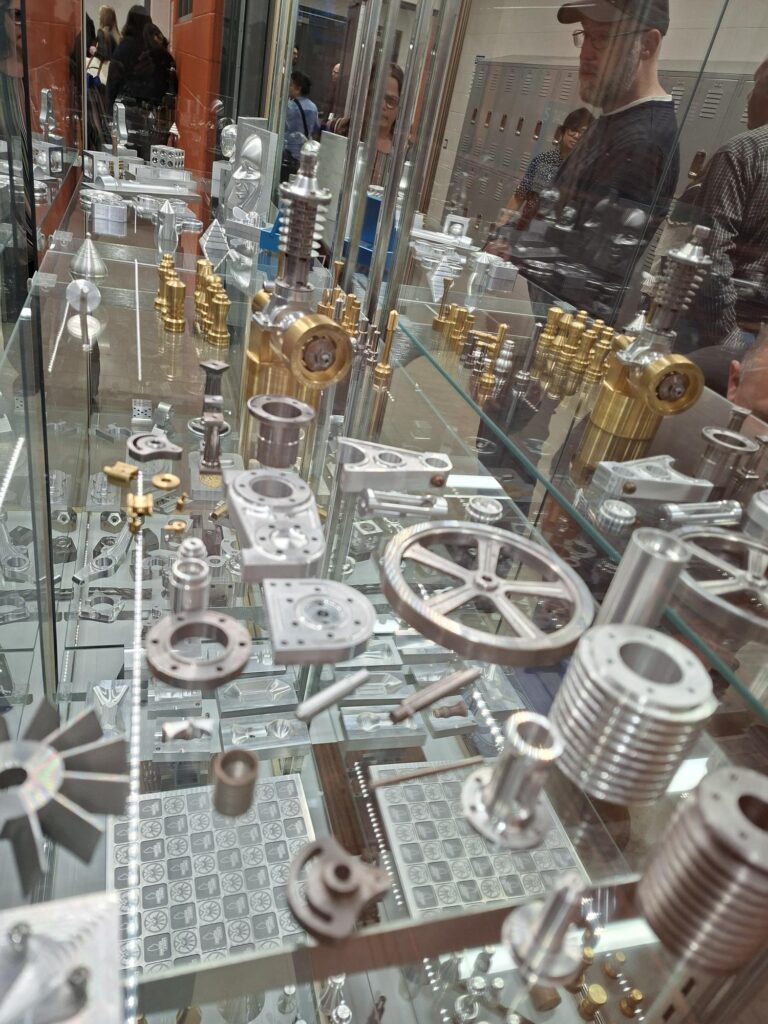
More about the region, ECC Manufacturing and Technology Center
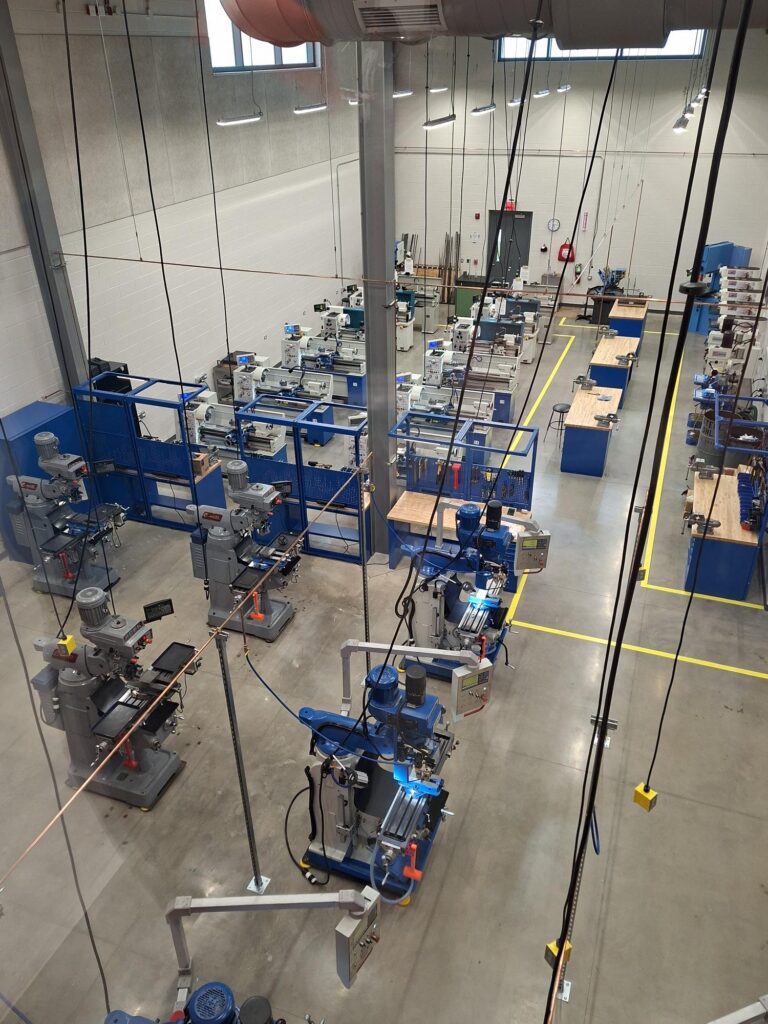
District 509 community college district includes 21 communities (5 are served partially by other districts). Manufacturing has the highest total employment with 37,500 jobs in the region. Also in the region, $77,189 is the average annual wage for manufacturing, outpacing the overall annual wage of $64,140 by 20%. Illinois tallies 1707 average annual opportunities in welding/pipe welding and 1000 for industrial machinery mechanics, for instance. From 2024 to 2024, Illinois project employment growth of 18% for industrial machinery mechanics, 9% for HVAC and refrigeration mechanics and installers, 6% for CNC tool programmers and 170% for solar photovoltaic installers. In Illinois, more than half of manufacturing jobs require more than a high-school diploma but less than a four-year decree.
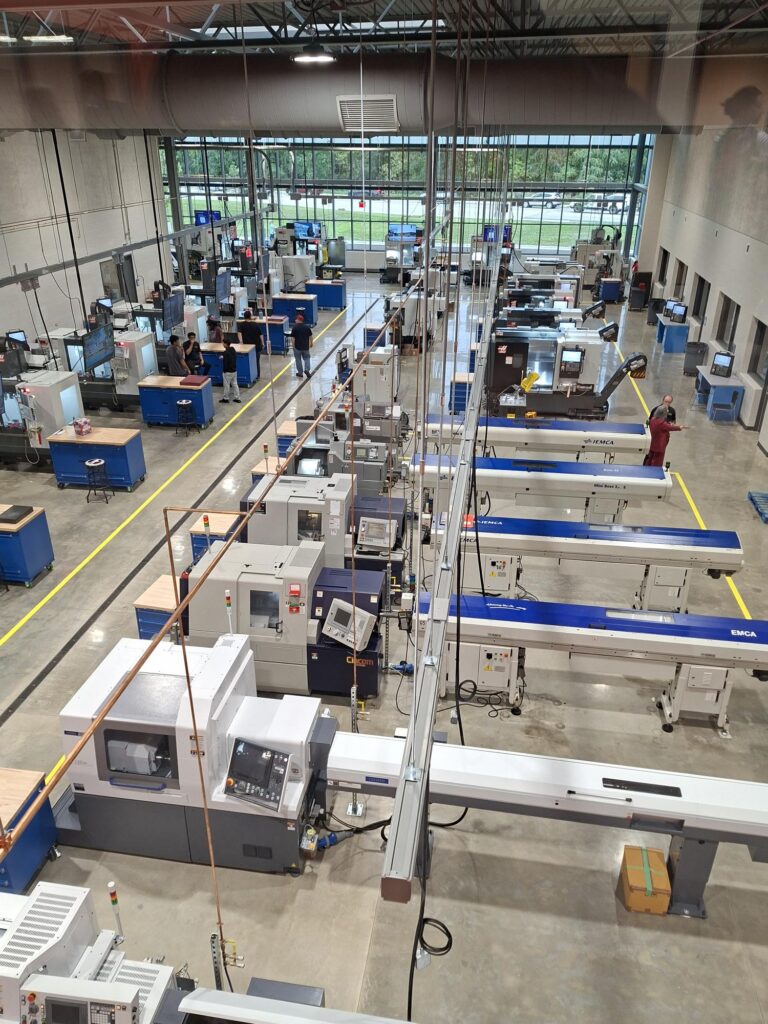
Overall, ECC serves about 16,000 students per year with 30 major fields for university transfer, pre-collegiate courses, corporate and continuing education, and more than 130 career-oriented occupational degrees and certificates. ECC said the MTC:
- Gives students access to modern equipment and learning environments designed to reflect the technologies and workplaces they will encounter after graduation.
- Is a “building designed for the future, and its impact has already begun,” said ECC president Dr. Peggy Heinrich.
- Recognized sponsors and donors including Advance Lifts Inc., Gene Haas Foundation, Gustave A. Larson Co., Haumiller Engineering, Hiwin Corp. USA, Illinois Community College Board, Illinois Green Economy Network, Lincoln Electric, Middleby Corp., Swiss Automation and Teichert Household.
- Expands ECC’s capacity to work directly with employers to develop education and training that responds to changing workforce needs.
- Invests in “students who want the skills and credentials that can lead to good careers and greater economic opportunity, an investment in employers who need a highly skilled workforce, and an investment in our communities,” said District 509 Board Chair Jennifer Rakow.
- Represents the culmination of years of planning and collaboration among ECC faculty and staff, college leadership, trustees, industry and community partners, legislators, architects, construction professionals, and donors.
- Grew from conversations about the need for additional space and modernized facilities to support ECC’s manufacturing programs and better serve the region’s workforce.
- Was shaped around a fundamental question: What do students need to be successful? “For me, today is also deeply personal,” said Cathy Taylor, Ph.D, ECC dean of Sustainability, Business & Career Technologies, who helped guide the project from its early planning stages. “Eight years ago, while working with faculty and staff, we saw a need we could no longer ignore. Our manufacturing programs required more room to grow and become what our community deserves.” The
- Received significant support from elected leaders and community partners. During the grand opening, ECC recognized state Sen. Cristina Castro, D-Elgin, state Sen. Donald DeWitte, R-St. Charles, state Representatives Anna Moeller, D-Elgin, and Fred Crespo, D-Hoffman Estates, and Congressman Raja Krishnamoorthi for their support of the project. Krishnamoorthi helped secure $2 million in federal funding for the center.
- Recognized the Gene Haas Foundation for its support of the MTC and the many faculty and staff members who contributed to the design, development, and opening of the facility.
- Was designed by DLA Architects and construction managed by Lamp Construction Management.
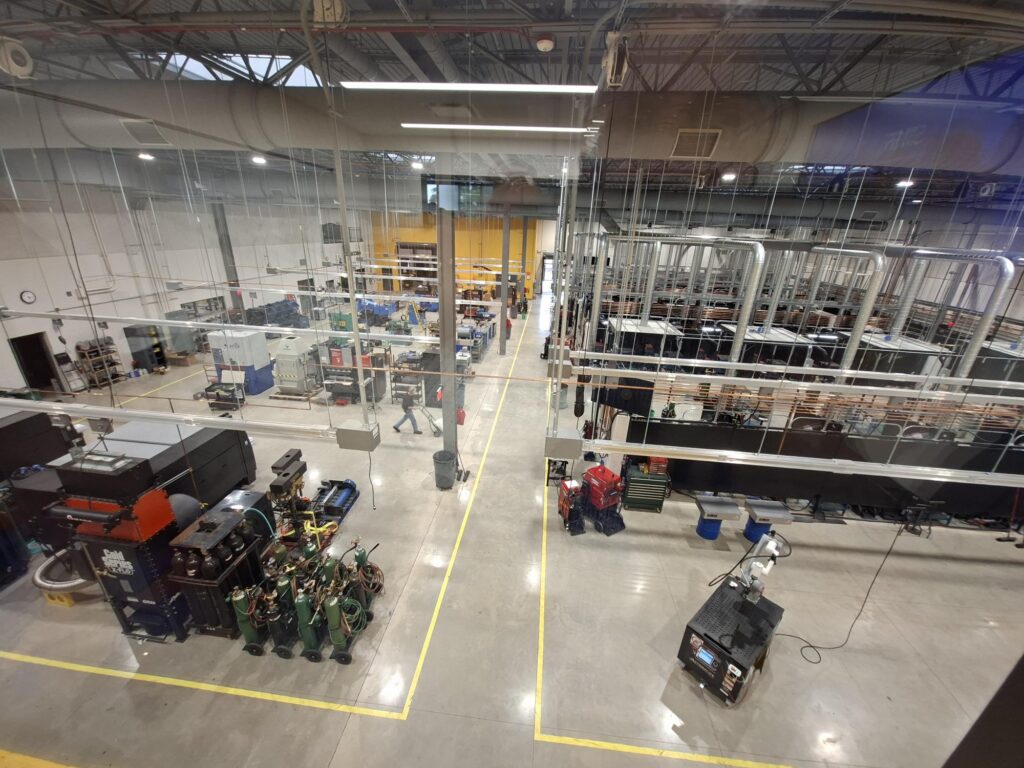
The grand opening celebration represents the beginning of the center’s impact, rather than its conclusion, officials said.
Mark T. Hoske is editor-in-chief, Control Engineering, Arrowfly, [email protected].
Keywords
Manufacturing skills gap, automation, CNC, technology education
Consider this
Is your community helping educate new and continuing education students in advanced manufacturing technologies?
You also might like
Control Engineering provides more about manufacturing automation workforce development.
https://www.controleng.com/system-integration/workforce-development
Learn more about the ECC MTC at https://elgin.edu/mtc.