It’s not just digital versus analog instrumentation and controls. Digital transformation means better connections among engineering, operations and maintenance teams, unlocking the technical debt trapped in older automation systems.
Insights
- Digital transformation technologies and tools help bridge the gap between traditional control and automation performance and more advanced, predictive operations.
- Digital transformation changes assets and data use for engineering, operations and maintenance teams.
- Consider digital transformation efforts in context of the associated business cases.
Automation devices, systems and networks have been moving from analog to digital for years. Alignment of digital transformation efforts with people and business goals moves digitalization beyond a technology buzzword. Five answers below help make digital transformation more effective.
What value does digital transformation offer to automation, controls and instrumentation?
Digital transformation provides a set of technologies and tools that help bridge the gap between traditional control and automation performance and more advanced, predictive operations, while helping reduce the cost of preventive maintenance programs.
How is digital transformation changing how experts in automation, controls and instrumentation work?
It adds new considerations when specifying assets, requesting and managing asset information and identifying ways to connect systems and deliver available data to engineering, operations and maintenance teams.
For those who feel stalled in digital transformation or think it’s just a buzzword, what do you recommend?
Revisit the business case (or cases) that started the effort. If one takes “digital transformation” out of the conversation, it may become easier to see the challenges and objectives of most projects or changes. Technology can create impact when it is applied to real challenges and opportunities. However, its value is limited if direct alignment with people and the business is missing.
Do you have examples of digital transformation metrics/benefits for automation, controls and instrumentation?
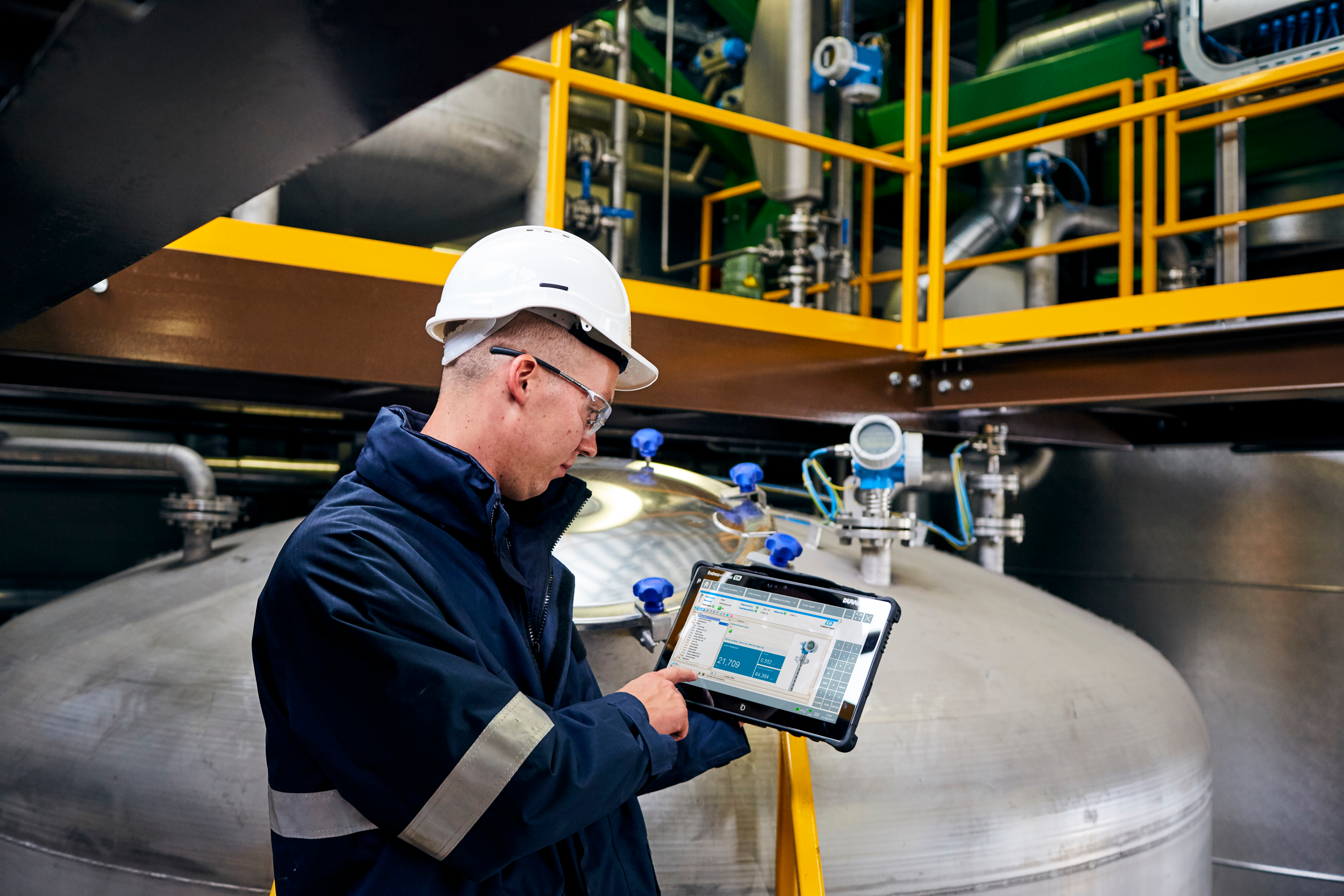
Digital assets still require maintenance, just like their analog predecessors. However, using digitalization to unlock the “technical debt” often trapped in analog devices can reveal issues and even suggest remedies. We’ve seen successful key performance indicators (KPIs) showing reduced time to resolution—by as much as four hours per event (such as device out of specification, failure or maintenance required) by digitalizing equipment and workflows. Overall personnel efficiency, measured in people-hours, has improved in cases where master data, documentation, and work-order automation were integrated into workflows (Figure).
What parting advice do you have about digital transformation?
There is no one-size-fits-all approach. Start with a vision that your team and people connect with. Build the umbrella infrastructure that is scalable and capable. Inject business cases with teams that understand the “why” and leverage the infrastructure. With some KPI wins and repeatability, you can then decide if automation is possible or necessary.
Jason Pennington is director of digital solutions, Endress+Hauser. Edited by Mark T. Hoske, editor-in-chief, Control Engineering, Arrowfly, [email protected].
Keywords
Digital transformation, digitalization, instrumentation, controls
Consider This
Automation infrastructure, business and people-driven advantages make digital transformation more than a buzzword.
You also might like
New hubs and added floor space set up next-wave output
https://www.controleng.com/new-hubs-and-added-floor-space-set-up-next-wave-output/
For more Pennington insights on digitalization, please see:
https://www.controleng.com/arc-industry-forum-2024-industrial-ai-potential-is-here-now/