Machine design and performance can improve with attention to the machine controller, servo drives and use of servo motor features.
Machine control architecture insights
- Machine controller with dedicated motion control functionality provides advantages for machine designs.
- Offloading motion control functions to servo drives can improve machine performance.
- Using servo motor features can optimize a machine’s motion control performance.
For motion control, the overall control architecture plays a big role in machine performance. Here are three ways that performance can be improved using the right motion control architecture.
1. Use a machine controller with dedicated motion control functionality
Historically, programmable logic controllers (PLCs) have dominated as machine controllers. From multi-axis computer numerical control (CNC) machines to single-axis machines, PLCs are widely used. PLCs work great for simple ladder logic and input/output (I/O) control. But they start to fall short when it comes to motion control.
This is where machine controllers with dedicated motion control functionality come in (Figure 1). These machine controllers also function as PLCs, meaning they serve multiple purposes. Due to the high requirements of the machine controller, one of the most important jobs it serves is delegation.
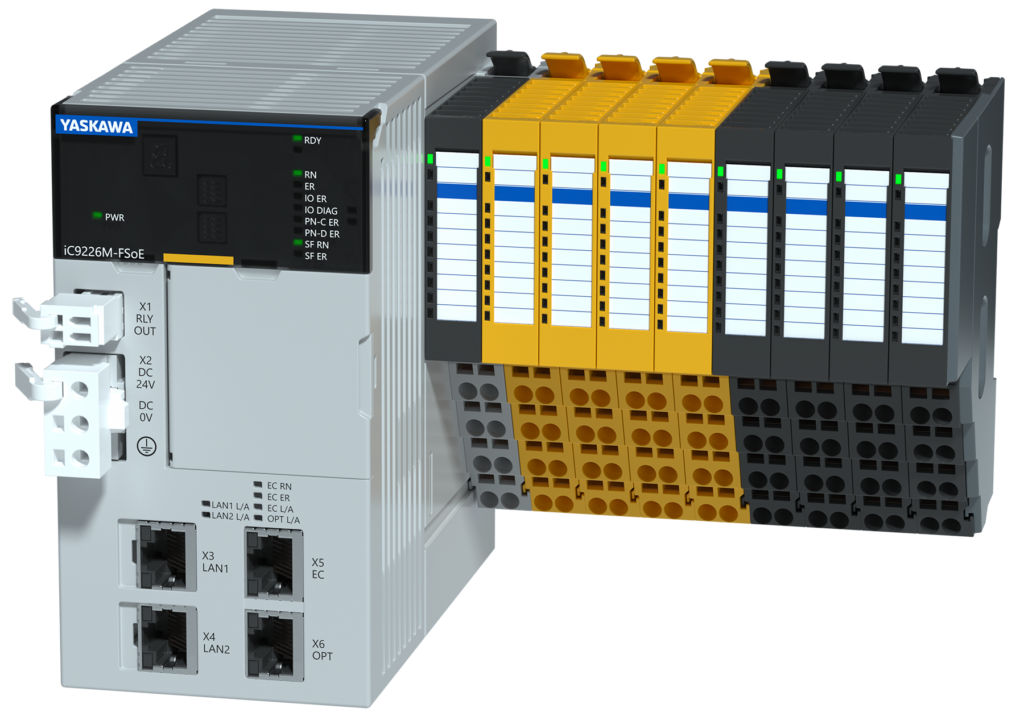
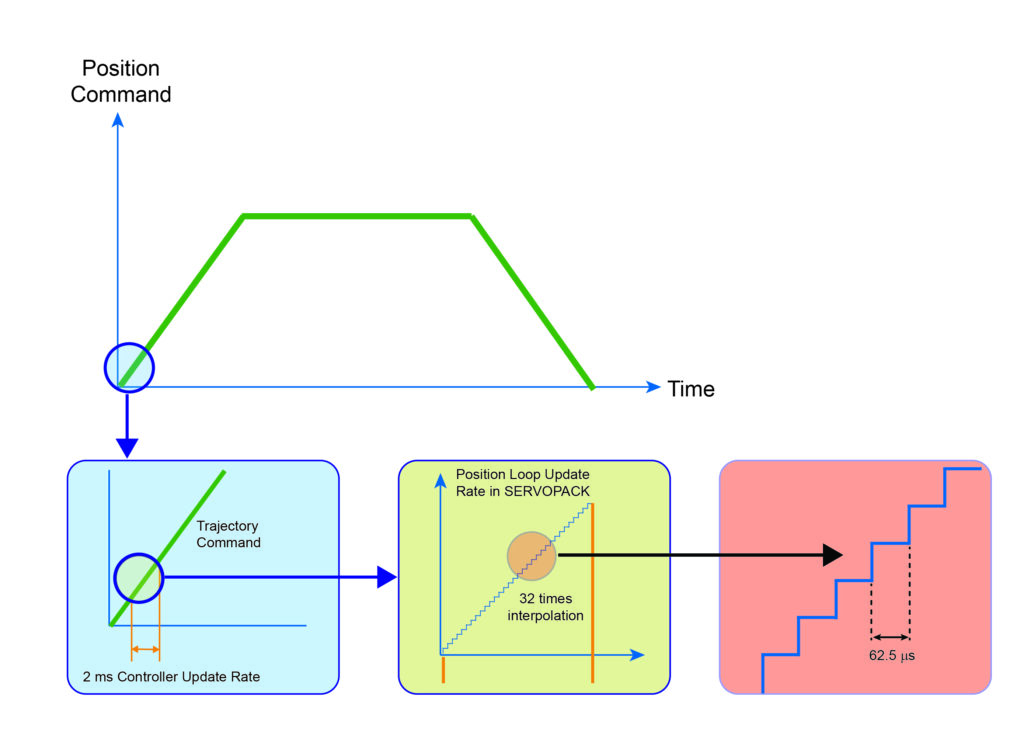
We see boosted machine performance from having the machine controller offload duties. One example of this is using motion control functionality to serve as a profile generator. This has several benefits. It allows the machine controller ample processing power to handle all PLC functions such as logic and other machine controls, while offloading some of the motion control requirements to the servo drives. It also allows for less intensive update rates since the servo drives can interpolate between commands.
2. Offload heavy lifting to servo drives
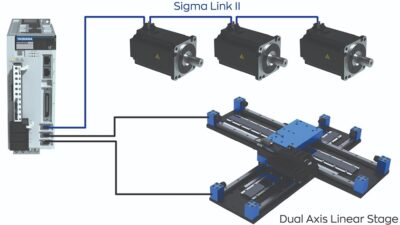
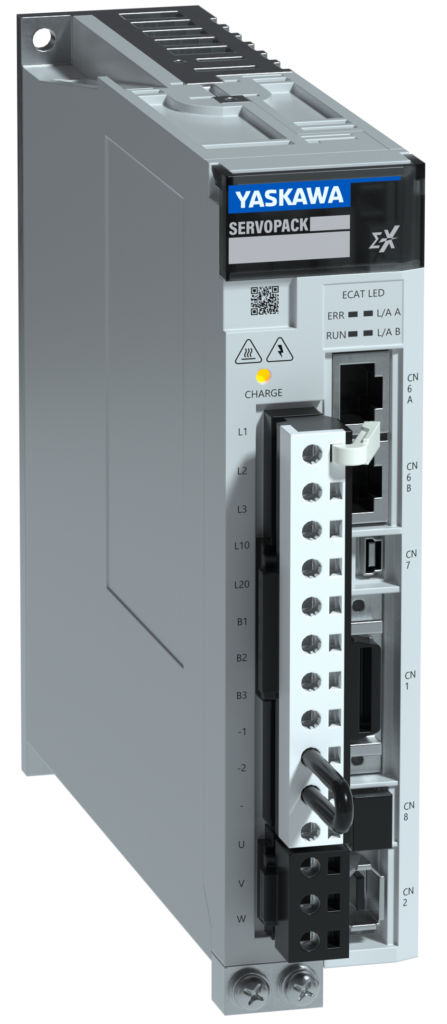
Like machine controllers, servo drives (Figure 2) perform several duties. Servo drives provide current to drive servo motors, and they can be in charge of all servoloop feedback. This can encompass the torque loop, velocity loop and position loop. This is where we can see the highest level of performance for motion control. With the controller being the profile generator, the servo drive functions as the profile regulator and takes on most of the heavy lifting. Servo drives can have a position loop update rate that is faster than that of the machine controller. This means that the position can be interpolated at the servo drive level faster than it can at the machine controller level. It is common to see specifications for “closing the position loop,” which servo drives can typically do the fastest.
3. Use servo motor features
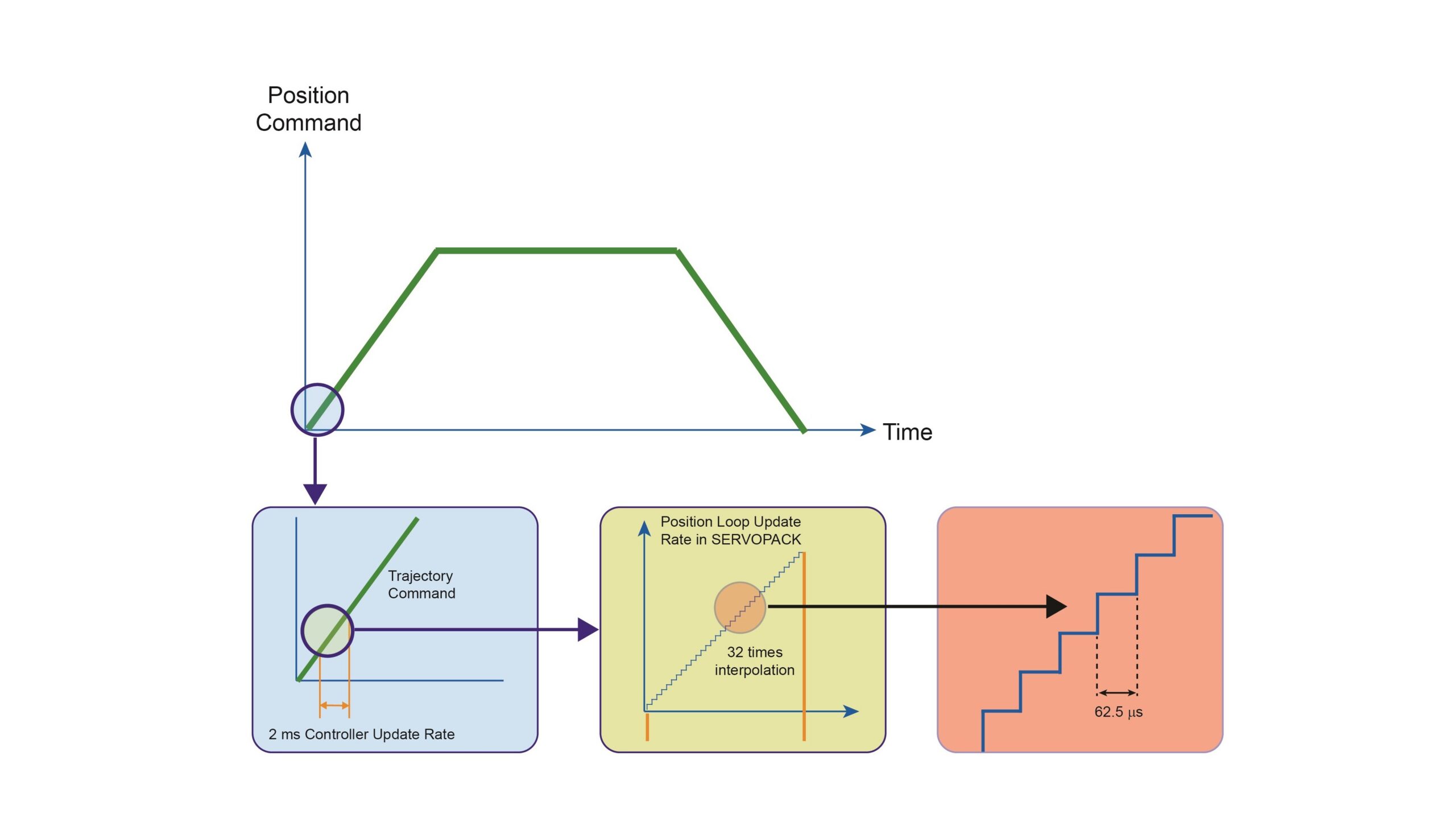
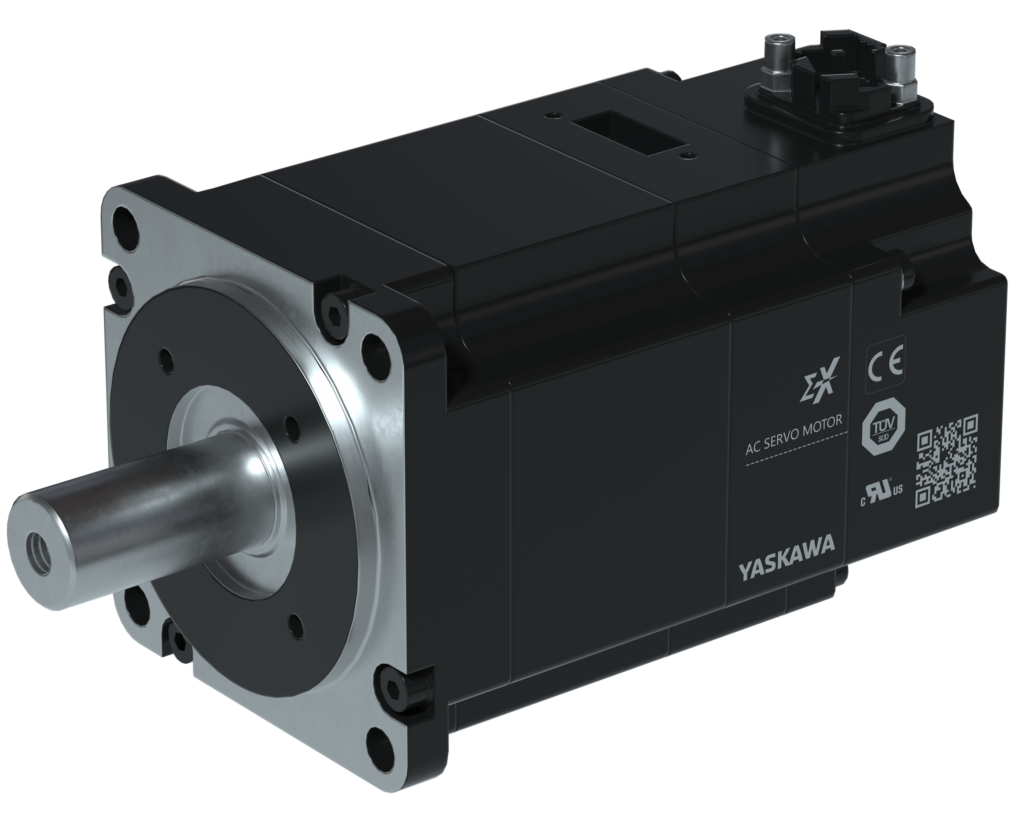
The workhorse of any motion control architecture comes in the form of servo motors (Figure 3). Because of this, it is important to use the servo motor features available to optimize performance. Servo motor features include vibration suppression, error detection and speed and torque compensation. These servo motor features contribute to overall faster and smoother motion. Paired with the fast servoloop updates that servo drives provide, it is possible to implement these features at very fast rates.
Fast, smooth, repeatable motor control
The key metric for most motion control applications is how quickly the motors can be controlled in a fast, smooth and repeatable manner. An optimized motion control architecture focuses on implementing this key metric at rates as quickly as possible.
Figure 4 provides an example of motion control architecture where the machine controller functions as a profile generator, and the servo drive handles the position loop at faster, interpolated speeds.
Matthew Hardenbergh is the northeast regional motion engineer, Yaskawa America Inc. Edited by Mark T. Hoske, editor-in-chief, Control Engineering, Arrowfly, [email protected].
Keywords
Machine control, motion control, servo drive, servo motor
Consider this
Does you machine design integrate modern machine control and servo technologies?
You also might like
See other Control Engineering motion articles from Yaskawa America Inc.:
Understand IEC 61131-10 to more easily transfer PLC applications
Servo drive safety integrated functions: How to maximize fail-safe behavior