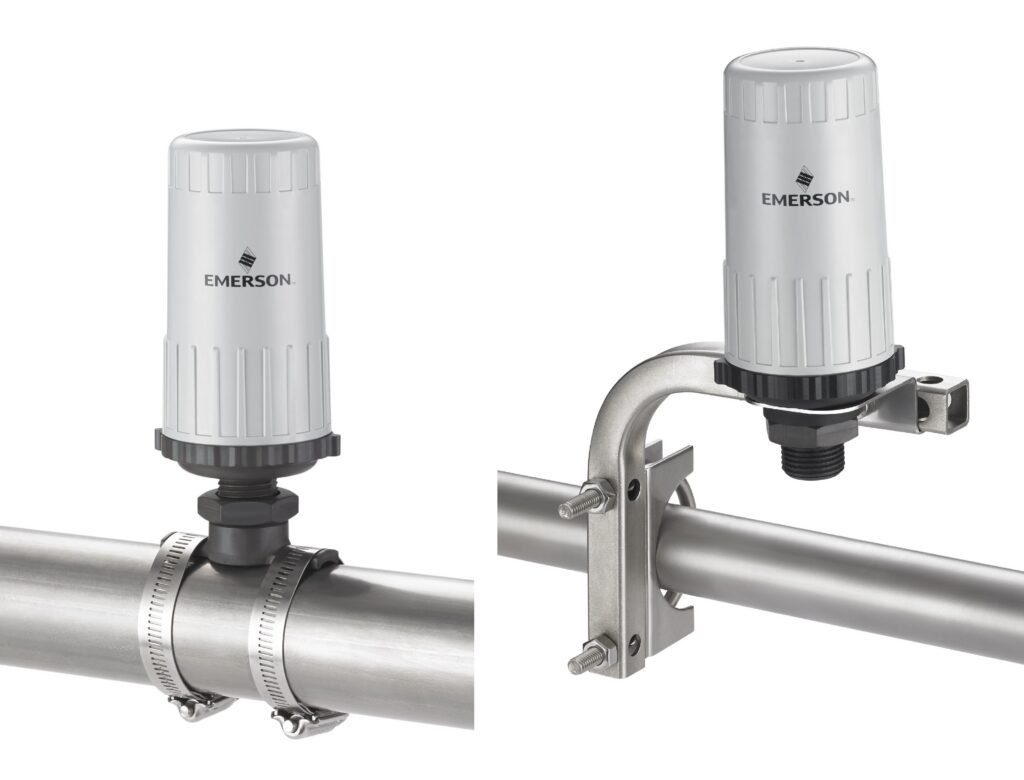
Easy to install and deploy, a fit-for-purpose temperature monitoring device can be used in surface and ambient temperature measurement applications.
Wireless monitoring insights
- A wireless temperature monitor can be mounted and operated easily because it requires no external wired connections and has multi-year battery life.
- Used with an asset management platform, wireless temperature monitoring has many industrial applications, including checking the health of compressors, process temperatures in critical piping, rotating equipment, heat exchangers and other critical equipment.
- Efficiencies gained using wireless monitoring can help to maintain high production levels, while freeing up technicians for more valuable tasks and delivering payback in months.
Temperature measurements for industrial internet of things (IIoT) applications are becoming more popular because of the need for more asset health insights. These types of measurements may not have been previously feasible with traditional temperature instrumentation due to cost and complexity, but a new fit-for-purpose platform and its accompanying devices are:
- Built around IIoT concepts using modular components.
- Designed for easy mounting.
- Suited specifically for asset monitoring measurements and data streams.
- Using WirelessHART (FieldComm Group) communications to take advantage of extensive end user experience with the protocol.
- Using internal power with multi-year battery life, so no wiring is necessary.
A wireless temperature monitor (Figure 1), for instance, can provide surface or ambient temperature readings in a variety of applications, with simple mounting using a bracket for a flat surface or clamps on a pipe. As these new devices become more familiar, end users will find new and creative ways to deploy them, as described in these use cases. Future use cases are likely to include other planned wireless protocols, such as LoRaWAN (LoRa Alliance) and cellular.
Expanding temperature monitoring
A temperature monitor can be directly mounted on a surface to measure temperature in a variety of applications.
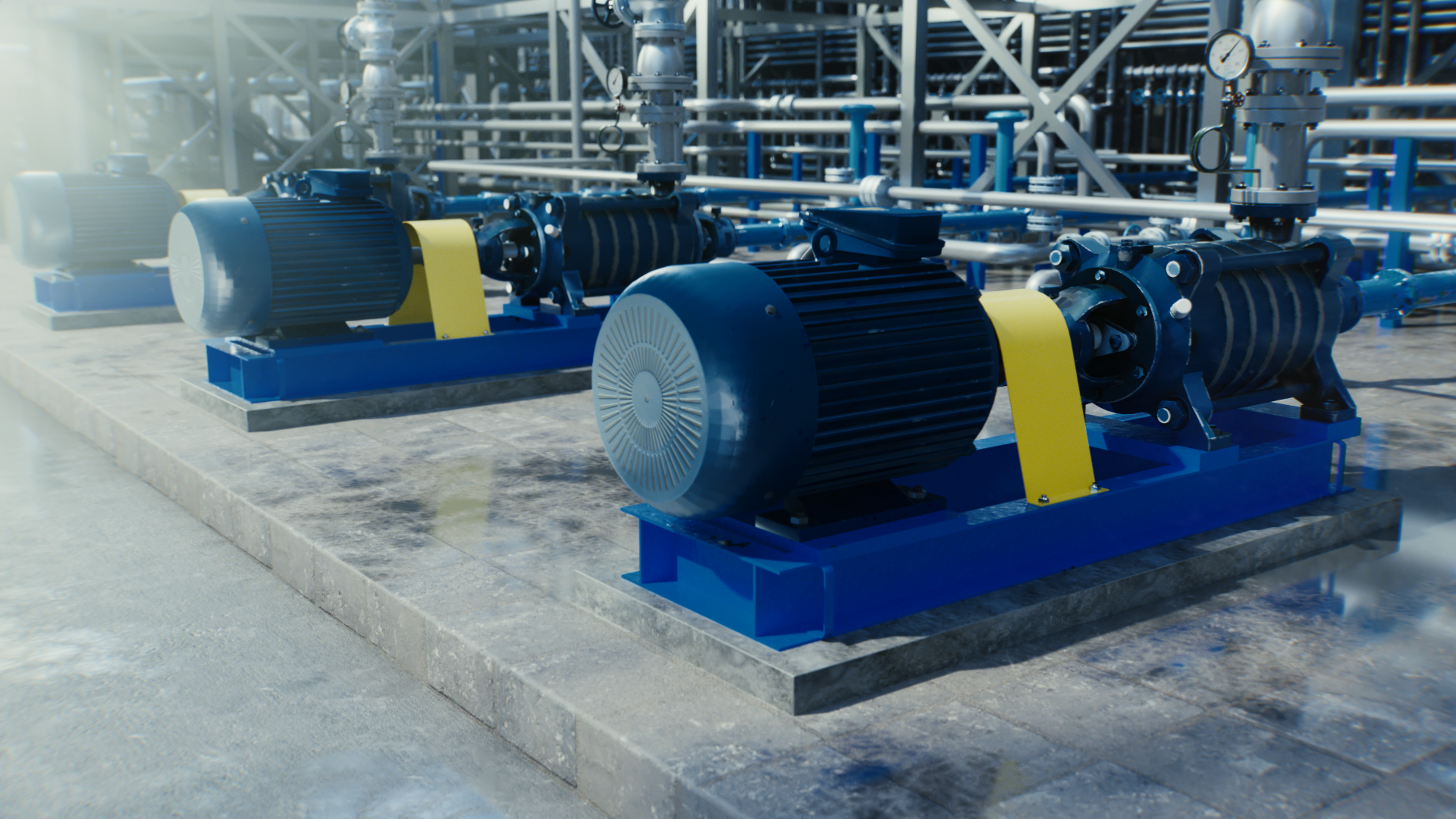
Reciprocating compressor valves—A reciprocating compressor’s performance (Figure 2) depends on multiple types of valves, but especially their main check valves, to keep air moving in the right direction. When these wear and leak, performance and efficiency fall quickly. As valves wear, their internal temperature increases, making it possible for maintenance teams to detect when problems are developing. If this monitoring is done via manual checks, the condition may advance significantly before it’s recognized. A temperature monitor can be mounted on the valve cover to detect changes indicating a failing valve. When used with asset management software, the monitor can provide an alert when the valve cover temperature exceeds a specified threshold.
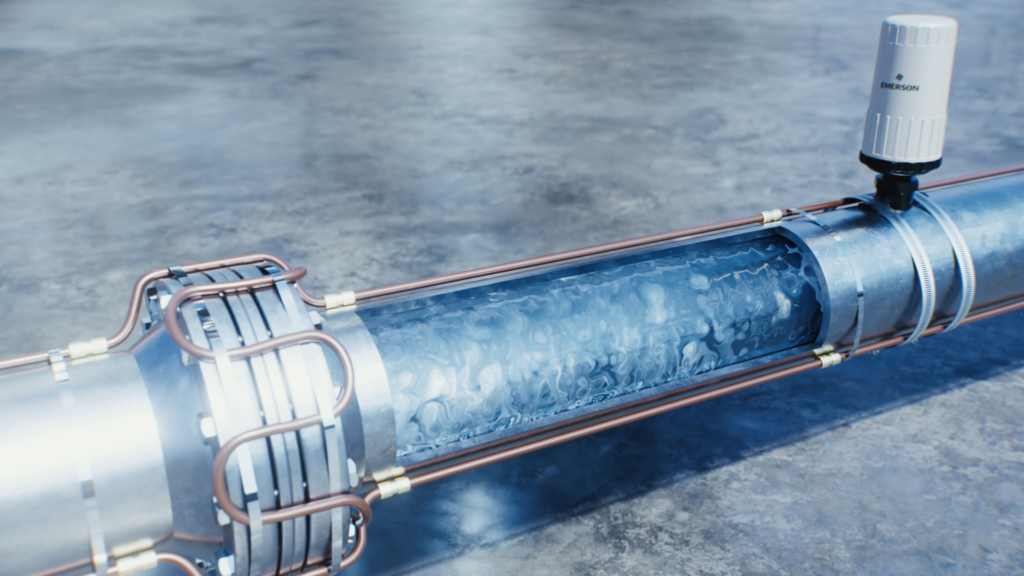
Heat tracing effectiveness—Heat trace lines (Figure 3) keep critical equipment and process lines from freezing and causing outages. The question often becomes, are they working? A temperature monitor, or more than one, can be placed at strategic positions to monitor that the heat tracing is functioning as needed. These measurements, taken around the facility, provide valuable insights throughout the plant.
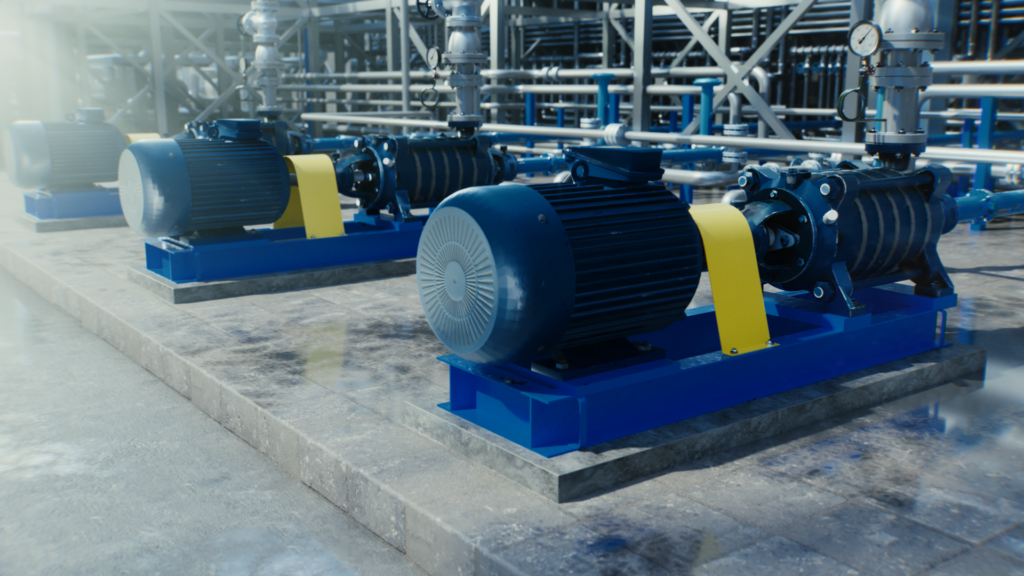
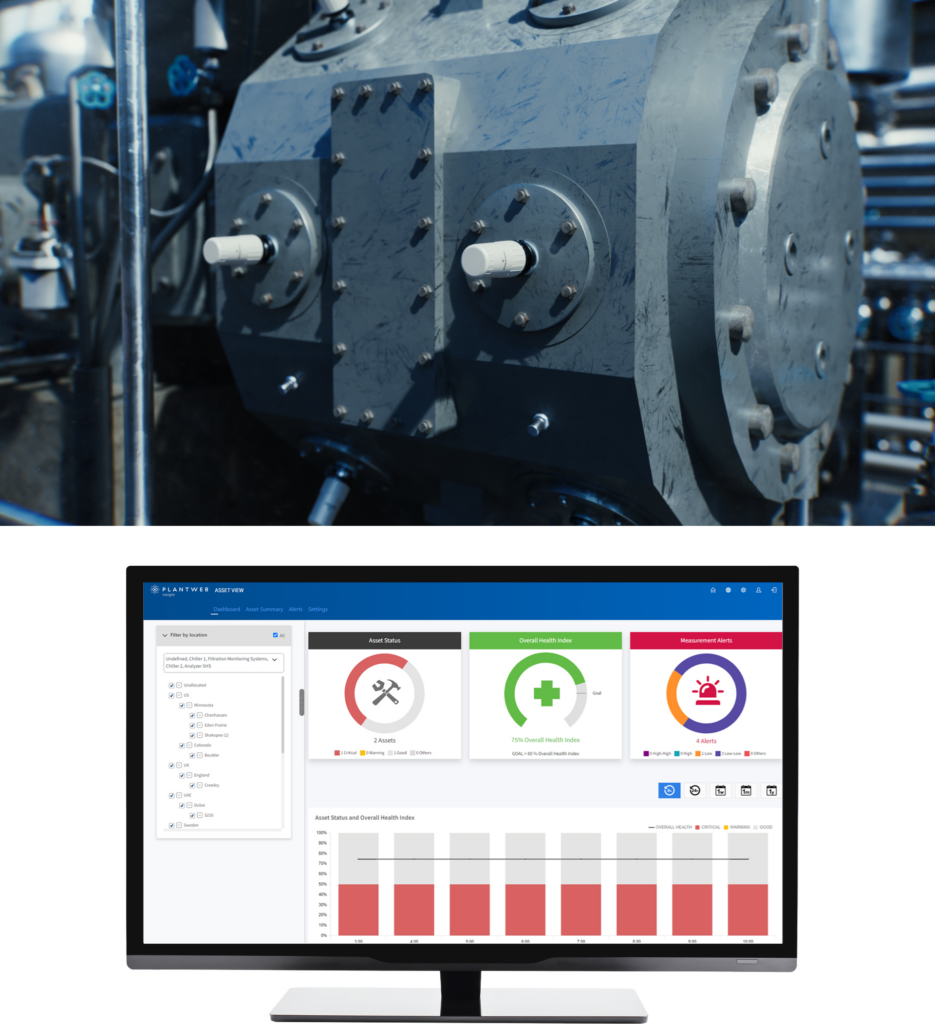
Rotating equipment health—Many rotating machinery assets (Figure 4) tend to get hot if they’re having problems. Excessive current draw, deteriorating bearings, vibration, and other issues manifest as temperatures higher than normal. Monitoring temperature at strategic points on these assets using temperature monitors detects problems early, allowing maintenance to schedule repairs before complete failures and operational interruptions. When paired with an asset monitoring application, users can configure alerts when surface temperature exceeds a specified threshold.
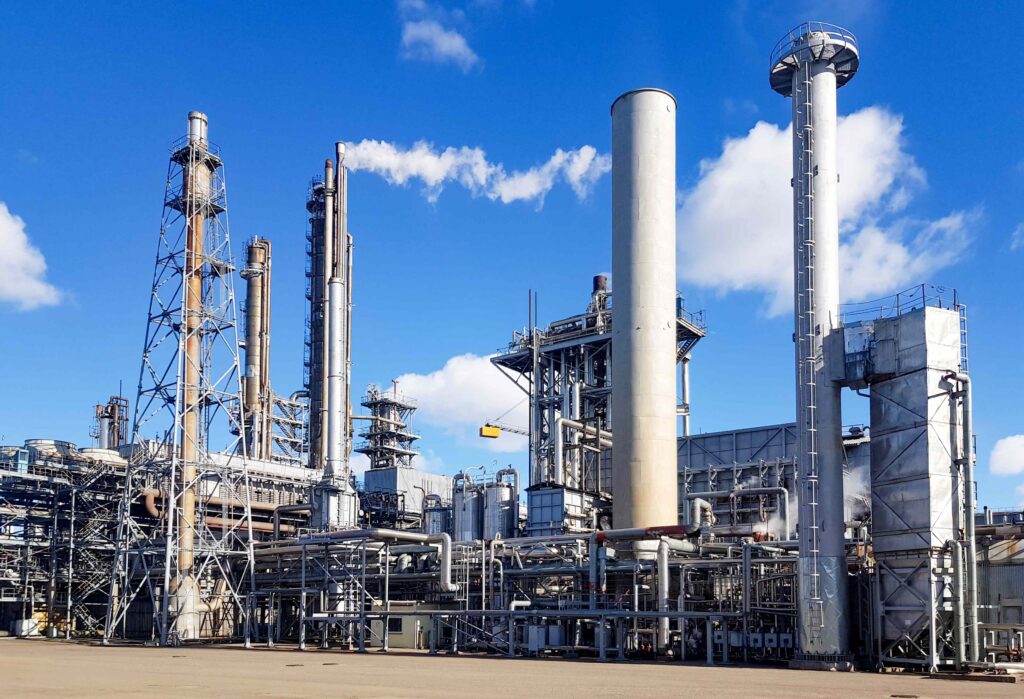
Product transfer line temperature—Where manufacturing a chemical product requires multiple steps across different process units, maintaining temperature while moving liquid from one to another can be critical. For example, in fertilizer plants (Figure 5) urea is transported through several steps during processing, and it must be maintained at a high enough temperature to keep aqueous urea from crystallizing, as this reduces product quality. A temperature monitor is an easy and cost-effective solution for monitoring surface temperature at multiple points along the distribution lines, capable of warning when temperature is declining. This will not be as precise as an intrusive process media temperature reading, but it can indicate when changes are happening, calling attention to a developing problem.

Safety shower temperature monitoring—In many process plant environments, safety showers (Figure 6) help protect workers involved in chemical spills. However, where supply pipes are exposed to sunlight, the water temperature can become scalding. In other environments, the water can become too cold. Adding a temperature monitor to the supply piping can ensure the water in each safety shower is within the appropriate temperature range as specified by ANSI compliance standards. When used with the Plantweb Insight Asset View Application, this device can be configured to provide an alert when water temperature is outside the specified range.

General heat exchanger monitoring—Heat exchangers (Figure 7) are designed to move heat from one medium to another, typically with two inlet and two outlet points. For an air-cooled unit, ambient air carries off heat from a liquid, or other gas. Ideally, any heat exchanger application should monitor the inlet and outlet temperatures of both fluids to determine how efficiently it is working. Since the variables of interest are the changes, the actual process temperature is not critical as much as the difference. Consequently, surface readings of pipes at strategic points are typically sufficient to detect developing problems such as clogging or fouling. These can be used in conjunction with regular process data without adding processing burden to the automation host. Mounting temperature monitors to the inlet and outlet of one or both sides of the exchanger can determine efficiency, without the need to add new I/O points to the automation host and corresponding displays on the human machine interface (HMI).
In addition to surface temperature measurements, these monitors can also be used to measure ambient air temperature, as described in these applications.
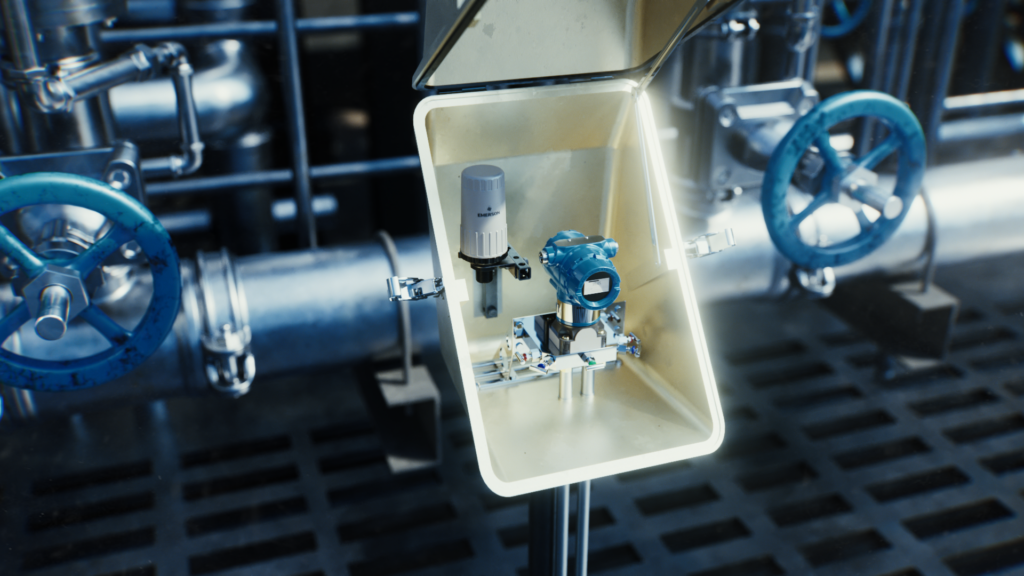
Instrument enclosures—Where manufacturing facilities have much of their equipment outdoors in areas where temperatures can get cold, space heating may be necessary to keep equipment from freezing. Strategic components with limited temperature operating ranges are often kept in heated enclosures (Figure 8). Adding a temperature monitor to verify the space heaters or other mechanisms are keeping the enclosure warm can avoid interruptions and damage from frozen lines. When used with asset managing application, the monitor can provide an alert when an enclosure temperature falls below a specified temperature.

Air-cooled heat exchangers—There are countless applications where circulating liquid must be cooled to dissipate heat. For example, a data center (Figure 9) often has chilled liquid circulation systems to capture heat from thousands of servers operating in densely packed racks. This heat must be dissipated outdoors via an air-cooled heat exchanger, drawing ambient air through coils. The rate of heat transfer in any such application depends on the temperature differential between liquid and air, so measuring air temperature at the inlet using a temperature monitor indicates the maximum possible transfer rate. Adding a second monitor at the outlet to measure the air temperature change indicates how much heat has been transferred, which can warn if coils are becoming clogged, reducing capacity.
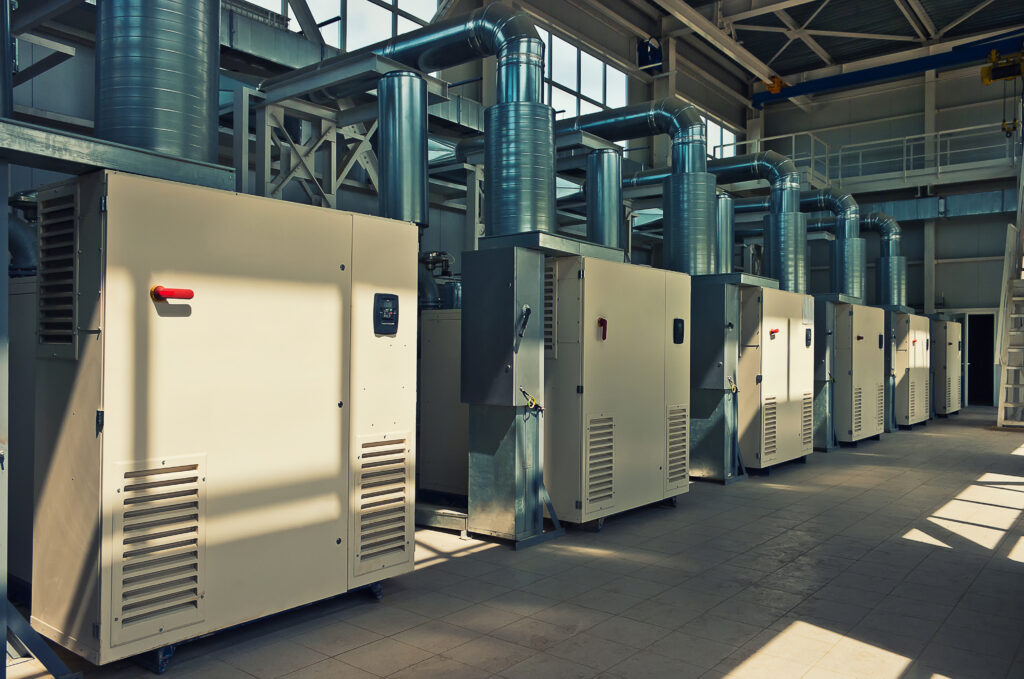
Air compressor intake—Keeping air compressors (Figure 10) from overheating depends on cooling from two sources: ambient air pulled in through the input, which provides internal cooling, along with air blown through an enclosure to dissipate heat externally. When ambient air is too hot, this approach becomes ineffective and can lead to overheating. Adding a temperature monitor to measure ambient temperature can warn when cooling is inadequate to avoid damage. When used with the asset management software, the monitor can provide an alert when ambient air temperature approaches a critical threshold.
These types of temperature monitors can measure and communicate changes in temperature that can be used alone or with process measurements.
Monitoring expansion continues
Using new technology for wireless temperature monitoring sensors with supporting application platforms can deliver needed data to reliability and maintenance teams. Effectively using this type of an IIoT platform can simplify installation, configuration and maintenance of monitoring systems for equipment in all types of industrial and commercial applications. Efficiencies gained using this data help to maintain high production levels, while freeing up technicians for more valuable tasks. Where deployed effectively, these strategies deliver payback in months.
Adam Edison is a senior product manager for Emerson; edited by Mark T. Hoske, editor-in-chief, Control Engineering, Arrowfly, [email protected].
Keywords
Wireless temperature monitoring, asset management
Consider this
How could wireless temperature monitoring help your processes?
You also might like
More from Emerson and Control Engineering on related topics:
https://www.controleng.com/new-sensor-platform-designed-specifically-for-monitoring/
https://www.controleng.com/three-ways-sensors-and-smart-devices-improve-oee/