Aeration requirements—when understood and properly controlled—can allow for process and energy usage optimization, providing significant savings. Aeration details benefit a control engineer when developing an approach for controlling aeration.
Wastewater aeration control insights
- Learn locations and purposes of aeration provided in a typical water resource recovery facility
- Discover typical means of providing aeration (such as blowers, diffusers and mechanical aerators)
- Explore best practices to keep the aeration and control system optimized.
Demystifying and understanding the reasons for aeration, and its control in wastewater treatment, allows for process and energy usage optimization that results in significant savings, especially when blowers are used as part of the process. While gaining experience with aeration control for each process area, promote clear communications with wastewater process designers and operators who will contribute to advancing aeration process control optimization refinements. Learning which WRRF areas require aeration and control of the related equipment is a continual process.
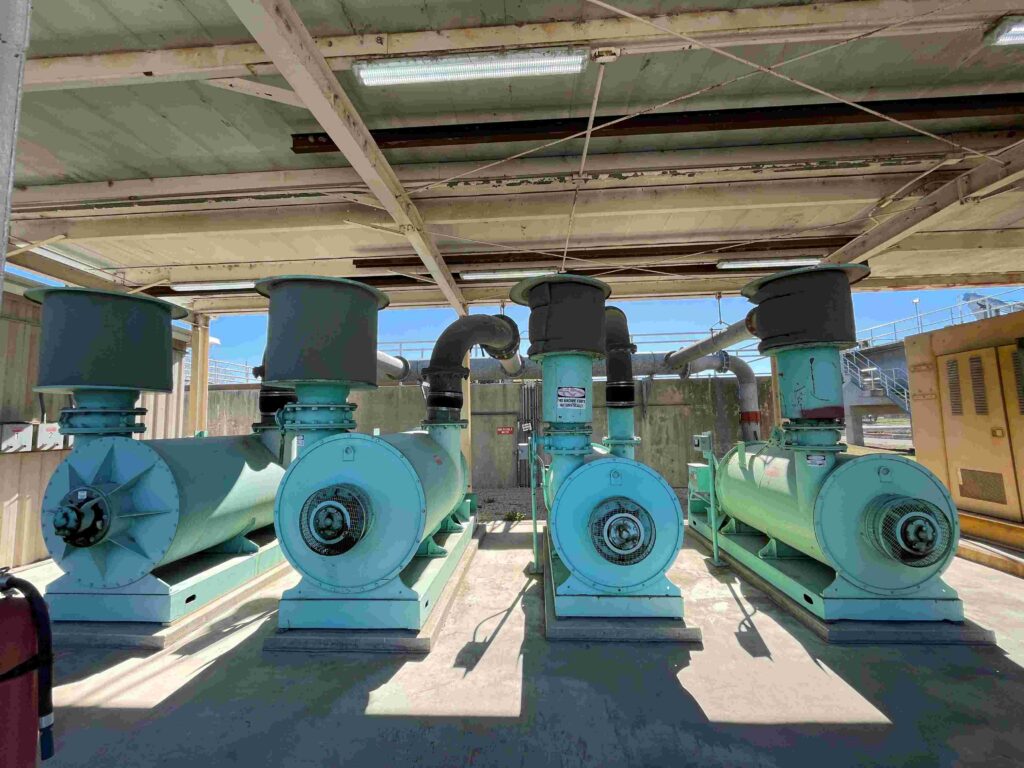
Aeration is used throughout most water resource recovery facilities (WRRFs) in the pretreatment, primary, secondary, tertiary and final treatment processes. Depending on the requirements, aeration is accomplished using blowers and coarse or fine bubble diffusers, mechanical aeration using brushes or blades or a combination of fine bubble aeration and mixing. Blowers are pumps for air. There are a variety of blower types, including positive displacement, centrifugal and turbine.
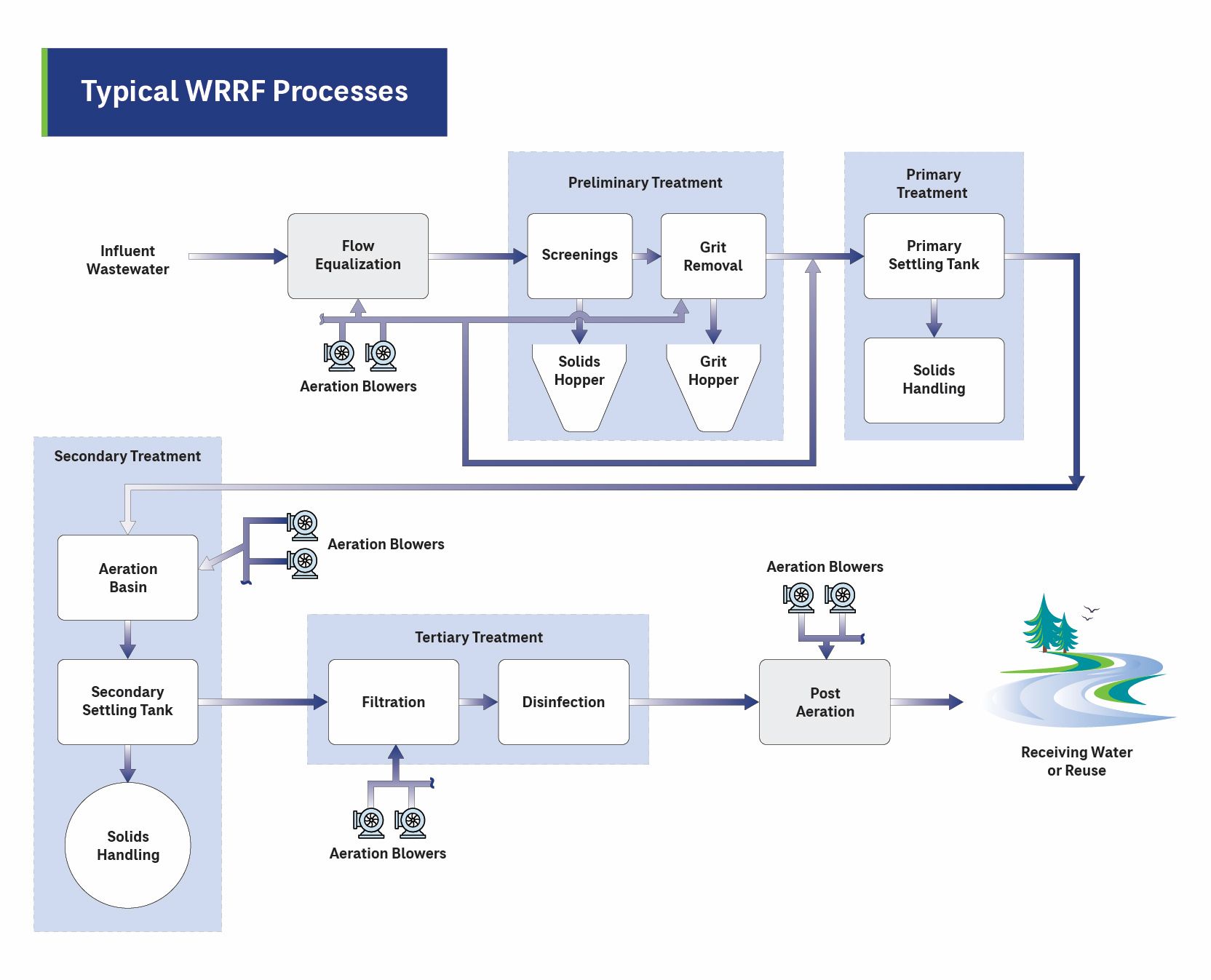
Air supply from a blower is measured by a flowmeter, and the resultant dissolved oxygen (DO) in the process water being aerated is measured by an analyzer. Air flow is controlled by manual or automated valves (the latter are typically modulated by a control feedback loop to maintain DO in a desired range for the specific process). Figure 1 diagrams typical WRRF processes.
Preliminary treatment, controls, monitoring
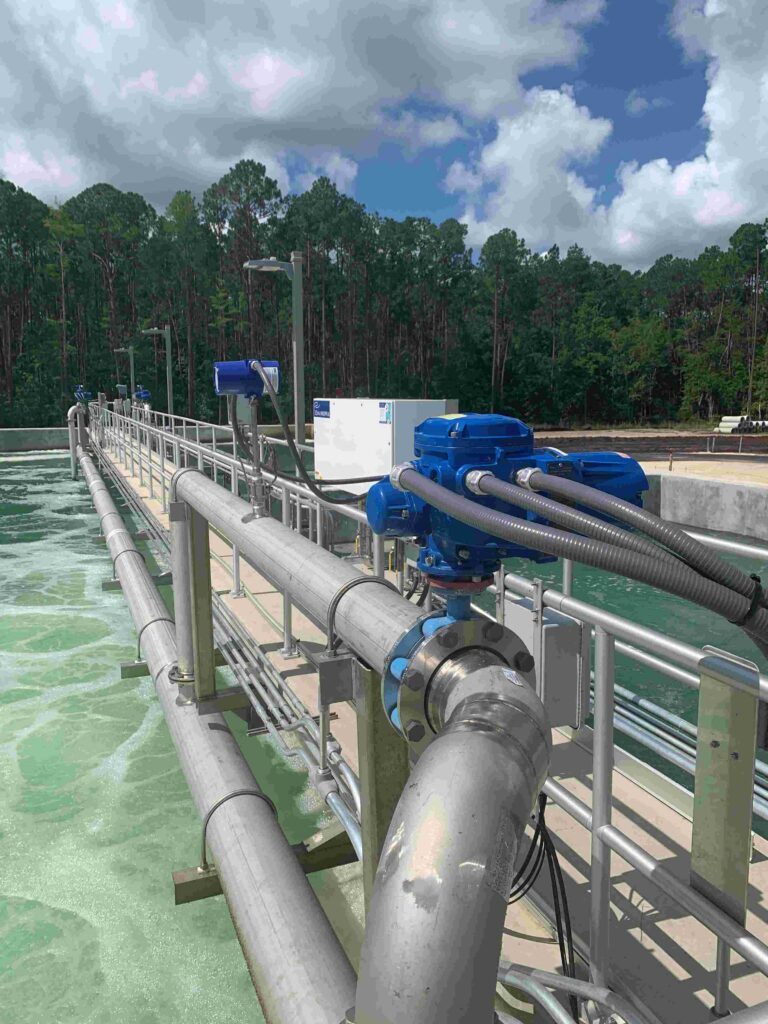
In preliminary treatment, raw wastewater is prepared for primary and secondary (biological) treatment. The wastewater is aerated to keep biological solids mixed during removal of grit (inorganics that cannot be biologically treated), freshen the wastewater, drive off odorous compounds, and to congeal grease and oils to the surface (that is, rise to the surface and solidify into a removable layer). Typically, this process uses positive displacement blowers with coarse-bubble diffused aeration. Air supply is monitored by one or more flowmeters, and distribution is controlled by valves on the supply piping drop legs that feed the individual diffuser grids, with flow measured by local flowmeters (Figure 2). Pressure is often monitored to keep the blower on its performance curve.
Aeration requirements should sufficiently provide adequate mixing to keep biological solids in suspension, and—in the case of grit removal—intensive enough that the heavy grit solids are carried over in flow to the next process (and not allowed to settle) for removal. Oils and grease congeal on the water surface are skimmed, and odorous compounds are driven off and addressed during odor control treatment.
Some WRRFs have flow equalization tanks to even out and homogenize flow and loadings. These tanks are typically aerated to provide adequate mixing that keeps solids in suspension and drives off odorous compounds.
Primary treatment, flow, aeration
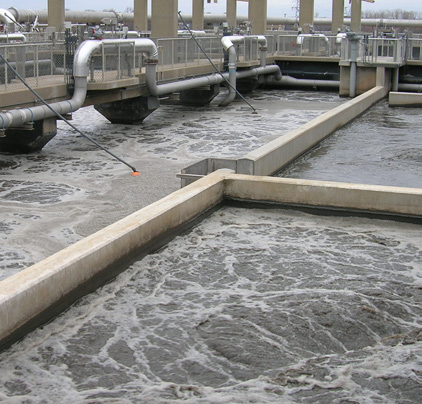
Primary treatment follows preliminary treatment and removes settleable solids in primary settling tanks. If a WRRF does not have primary treatment, the flow goes directly to secondary treatment. Aeration is often provided prior to distribution to primary settling tanks, thereby keeping wastewater biological solids suspended. Hence, the wastewater is “fresh,” and settling is prevented within the channels that direct flow to the primary settling tanks. Air supply is monitored by a supply flowmeter, while distribution is controlled locally by valves on the air supply drop legs to the diffusers, with flow measured by local flowmeters.
Like preliminary treatment, air for primary treatment is typically provided by positive displacement blowers.
Secondary (biological) treatment, energy use
Secondary treatment typically uses the largest amount of energy in WRRFs. Microorganisms that biologically treat the wastewater need to be provided within an environment that has dissolved oxygen (aerobic) or cycling of dissolved oxygen (anoxic, or anaerobic) to thrive and perform a treatment process that benefits from pollutant removal. Such environments are the following:
- Aerobic or oxic – an environment with readily available DO for microorganisms that require DO to perform treatment.
- Anoxic – an environment that has no DO but has nitrate (NO3) as the source of oxygen for the microorganisms that require NO3 to perform treatment.
- Anaerobic – an oxygen-deficient environment that only requires mixing for microorganisms to perform treatment; aeration, DO, and NO3 are not necessary.
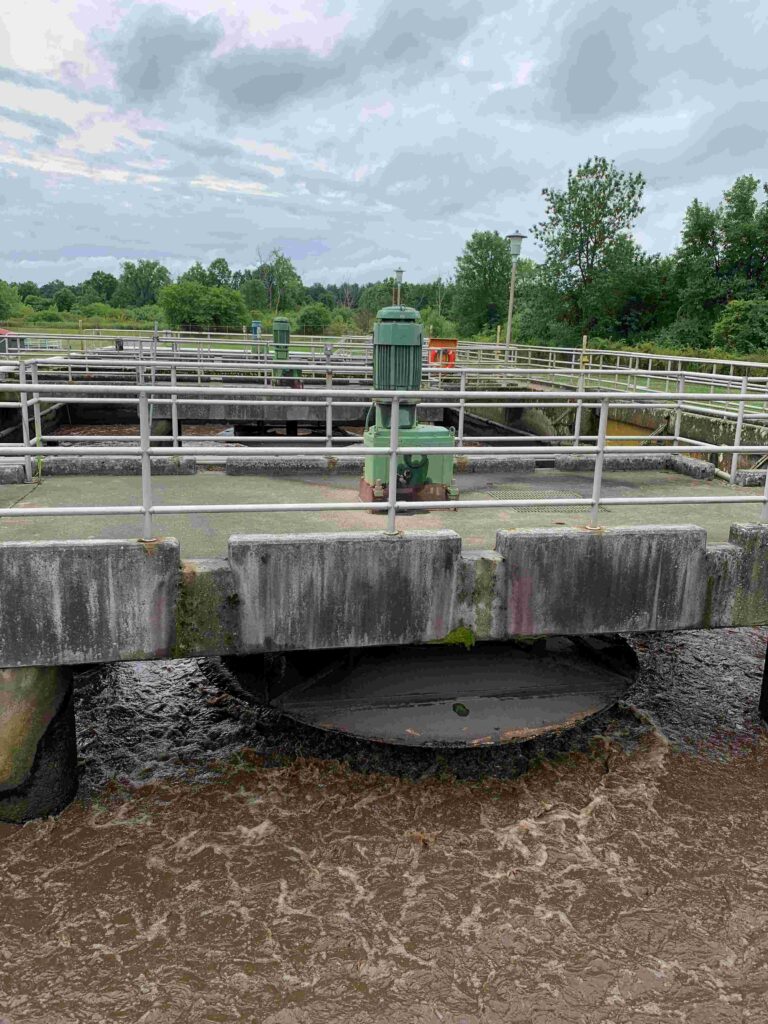
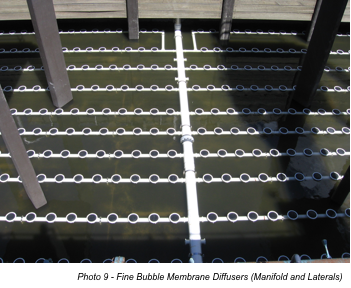
Aeration for secondary treatment can be accomplished with mechanical aerators (rotary blades), mechanical brushes (rotors), mixers with aeration diffuser grids, or aeration diffusers (typically fine bubble), with the last two being fed air by blower(s). During mechanical aeration, the blades or brushes vigorously mix the water with air to dissolve oxygen into the water.
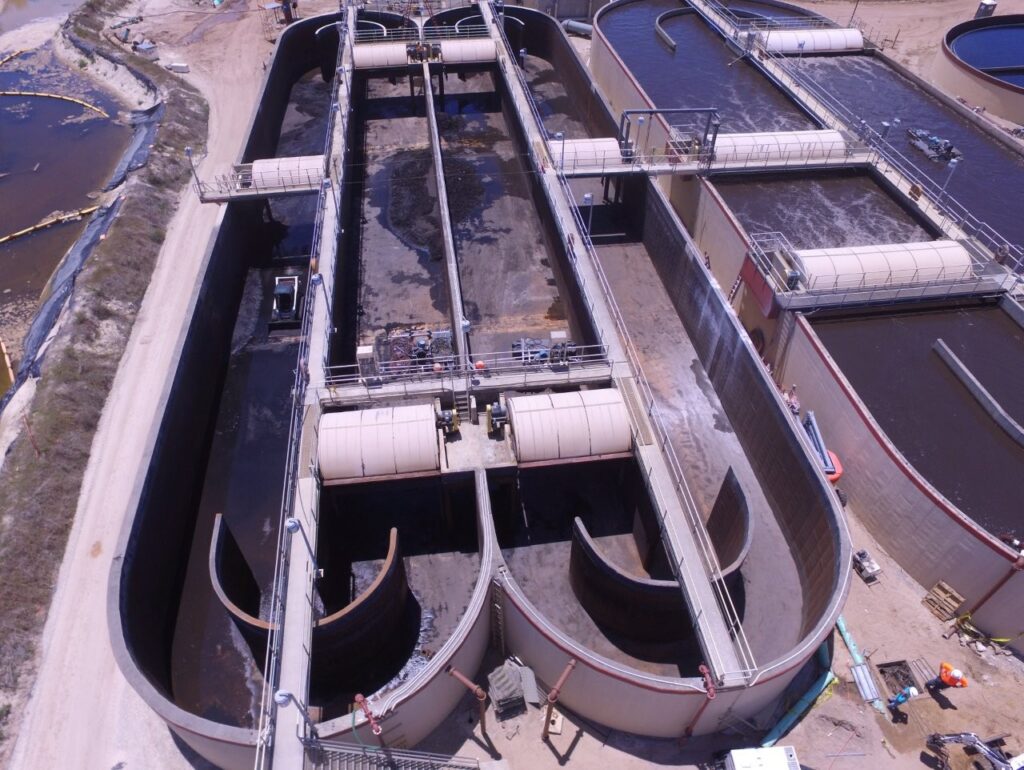
Figure 3-7 show typical wastewater automation, controls and applications.
Because secondary treatment is one of the most energy-intensive processes, blowers will ideally use variable frequency drivers (VFDs) in areas where optimization can reap cost savings. Excess or insufficient DO can impede process efficiency, increase energy consumption, and create potential compliance issues.
Monitoring and control of dissolved oxygen
Some WRRF secondary treatment processes provide nitrogen and/or phosphorus (nutrient) removal, conducted in segregated zones within the treatment tanks, with the aeration controlled by DO monitoring (to maintain DO in the optimum range). Aeration can be cyclic, providing alternating environments (aerobic, anoxic, anaerobic) with timed on and off cycles, or based on analyzer inputs to determine the end of a cycle. These alternating cycles provide environments that favor the microorganisms that perform nutrient removal. Think of the environments as a stage that the microorganisms (actors) perform on (such as a sequencing batch reactor [SBR] process where the alternating environments are sequenced in one tank based on timing and or analyzer feedback, for the fill, aeration, and draw of the SBR treatment tank).
Tertiary treatment, filtration processes
Tertiary treatment follows secondary treatment and is a final polishing process. Typical tertiary treatment is provided by filtration processes such as sand filters, cloth filters or membrane filters. Aeration (air scouring/bumping) for sand filter backwashing, cloth filter aeration to scour particulates and membrane filter flexing/pulsing for particulate removal are all typically controlled (air flow/duration) using flowmeters and motor-operated valves to maintain the optimum airflow for these requirements.
Final treatment (reaeration), monitoring, analysis
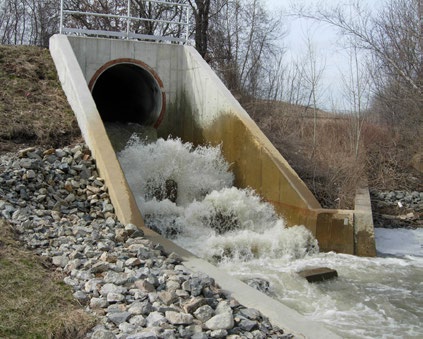
Ideally, WRRF treated water is reused; however, if wastewater is discharged to a receiving water, a minimum DO level requirement is set to prevent the wastewater from impacting aquatic lifeforms. After disinfection and prior to surface water disposal, DO must be in range for effluent disposal. To do this, diffused air or cascade aeration is provided, monitored by a DO analyzer, and recorded for compliance. Regarding diffused aeration, DO is monitored, and the air flow may be controlled to keep the DO in range. Figure 8 shows cascade aeration at WRRF in Massachusetts.
Optimization – best practices
Can you trust what you see? Consistent and reliable information is essential for processing optimization, especially when the purpose of the aeration is to provide DO. Over-aeration and excess DO are expensive, waste energy, and add wear and tear to equipment.
Mixing and DO transfer needs to be monitored and maintained. Locate instruments in the most representative area of the process being monitored (a well-mixed area), have backup instruments, and ensure easy access for cleaning, calibration, repair, or replacement. Protect the transmitters from harsh environmental conditions, such as sun, wind, and ice shielding. Make provisions for proper storage requirements of instruments taken out of service.
Consider the location of an analyzer and verify that it is most representative of the process being monitored, use multiple analyzers, and have backup analyzers on hand (in case one is down for maintenance).
Aeration control is not a “set it and forget it” process. It is necessary to adjust for results, process changes, process trains being placed online or offline, and seasonal changes in loadings.
Monitor the air flow and resulting analyzer feedback from analyzers (DO, nitrogen, phosphorus, etc.) and optimize so that the correct amount of air is delivered. Assess that adequate mixing is provided for the process purpose. When removing grit, the mixing intensity should be sufficient for carrying organics to the next process to be removed without allowing grit to settle. Consider pollutant loads, primarily BOD, and, in the case of nitrogen, ammonia (NH3). Establish meaningful and readily used trend charts for air flow, pressure, treatment efficiencies, DO levels and nutrient removal efficiencies.
Operations and maintenance personnel should complete the required training for diffuser monitoring and cleaning, analyzer instrument cleaning and calibration, and routine checks and maintenance (of blowers, aerators, air flowmeters, valves and analyzers that provide feedback to aeration control) to ensure that the control is based on reliable data and equipment. Manufacturer-recommended spare parts should be kept on hand or readily available. Maintenance, calibration and process control programming activities should be documented, including problems and resolutions.
Mark Cusac, P.E. is an automation engineer and discipline leader for control system integration; Georgine Grissop, PE, BCEE, is an operations specialist and licensed operator, both at CDM Smith. Edited by Mark T. Hoske, editor-in-chief, Control Engineering, WTWH Media, [email protected].
Keywords
Wastewater aeration controls, process control
Consider this
Are your process control and maintenance efforts working together?
You also might like
Smart control systems: Make your AI/ML integration roadmap
https://www.controleng.com/smart-control-systems-make-your-ai-ml-integration-roadmap