
PLC portability, industrial AI and next-gen leadership headline the month’s top automation stories on Control Engineering.
Industrial automation is evolving rapidly, driven by open standards, pragmatic digital transformation and advanced process control. August’s and September’s most-read articles reflect this dynamic balance between forward-looking innovation and core engineering fundamentals, tackling everything from the adoption of IEC 61131-10 for seamless PLC application portability to the real-world impact of artificial intelligence on the plant floor. Readers also focused heavily on practical operational strategies, exploring advanced PID gap algorithms, autonomous control for energy management and modern simulation techniques designed to de-risk production.
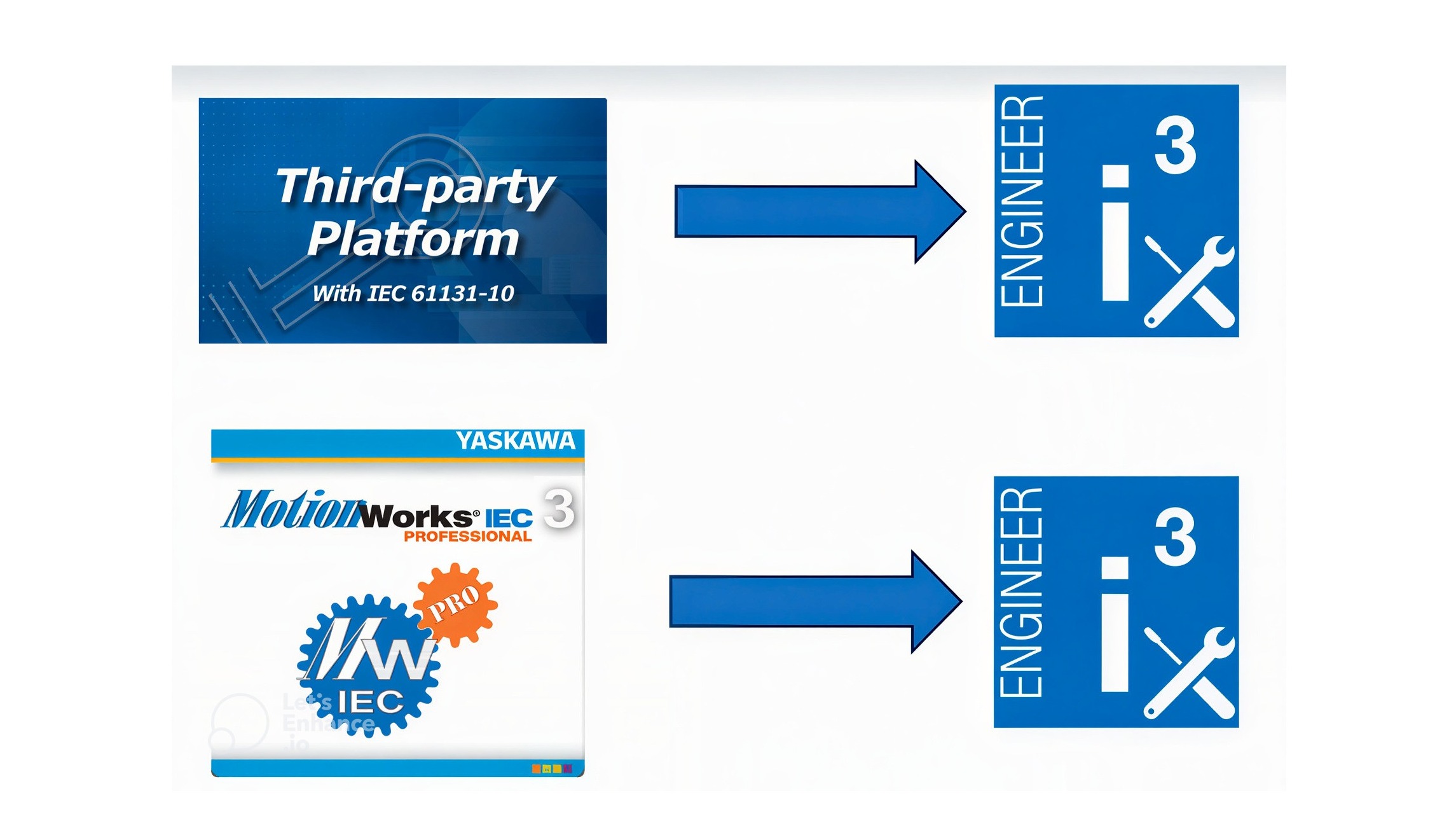
1. Understand IEC 61131-10 to more easily transfer PLC applications
As automation systems evolve and become increasingly complex, IEC 61131-10 represents an important step toward a more flexible and open automation ecosystem, allowing organizations to leverage existing engineering knowledge efforts while adapting to evolving technology requirements.
2. Research: How industrial AI is impacting the plant floor
New Control Engineering research shows that while implementation is ramping up, engineers remain cautious, prioritizing proven use cases like predictive maintenance over the AI hype cycle.
3. Engineering Leaders Under 40: The Class of 2026
Meet the 35 rising professionals whose expertise is helping solve problems, strengthen operations and develop the industry’s next generation of talent.
4. PID spotlight, part 31: What is PID gap control?
How do you make a PID controller ignore small deviations while still responding to large deviations? What is a gap algorithm? Which algorithms work with which systems?
5. Using AI and autonomous control to unlock financial value from energy data
By combining energy management, contextualized data, AI analytics and autonomous control, manufacturers can turn energy from an overhead cost into a lever for operational and financial performance.
6. Can robots do general manufacturing tasks? Toyota Research Institute asks
How much data do industrial robots need to learn to respond to variable challenges without specific, traditional programming for each?
7. 2026 Engineering Leader Under 40: Joshua Jagnanan, 37
As product manager for low-voltage adjustable-speed drives at Toshiba International Corporation, Joshua combines technical depth, operational leadership and customer focus to drive engineering and business results. He leads a team of associate product managers and application engineers, strengthening execution through training, onboarding, dashboards, standard operating procedures and quoting-quality improvements.
8. 2026 Engineering Leader Under 40: Chandradhar Prasad, 38
Within less than a year of joining NIKO Engineering as principal engineer, Chandra has delivered complex, high-impact engineering at the intersection of power systems, control automation and energy innovation. Leading the MK20 geothermal reinjection pumping station upgrade—a technically demanding project involving new variable-frequency drive (VFD) design and integration, custom interface board design, cascading PID control systems and unmanned automation—demonstrates his technical depth and versatility.
9. Beyond 10% yield: Rebuild drug discovery as a controlled process
About 9 of 10 drug candidates that enter clinical trials are not approved, wasting time and investment. Advanced organoids and organ-on-chip systems offer more realistic models of human tissues, metabolism and disease. Learn what automated manufacturing is teaching drug discovery.
10. Why you need to let go of these five simulation myths
As automation amplifies the consequences of even small changes, simulation provides a zero-risk environment to understand cause and effect relationships, and to eliminate surprises before they impact safety or production.
Check out the top articles from August here.