
From the 2026 Salary Survey results to AI-enabled autonomous systems, explore June and July’s most-read stories on Control Engineering.
The top articles from June and July on Control Engineering reveal a sector focused on refined control and the practical integration of next-generation intelligence. While technical staples like PID response shaping and power quality fundamentals remain essential for operational stability, there is an intensifying spotlight on the organizational and technological shifts defining 2026. From Honeywell’s strategic reorganization around autonomous systems to PepsiCo’s rapid gains through geometric deep learning, the industry is moving past the pilot phase of digital transformation into a period of high-speed, multi-disciplinary execution.
However, this push toward the future is met with sober realities highlighted in the 2026 Career and Salary Survey, which points to a tightening economic landscape and a persistent skills gap. This month’s most-read stories illustrate a community working to balance the precision of traditional engineering with the agility required for an AI-enabled manufacturing environment.
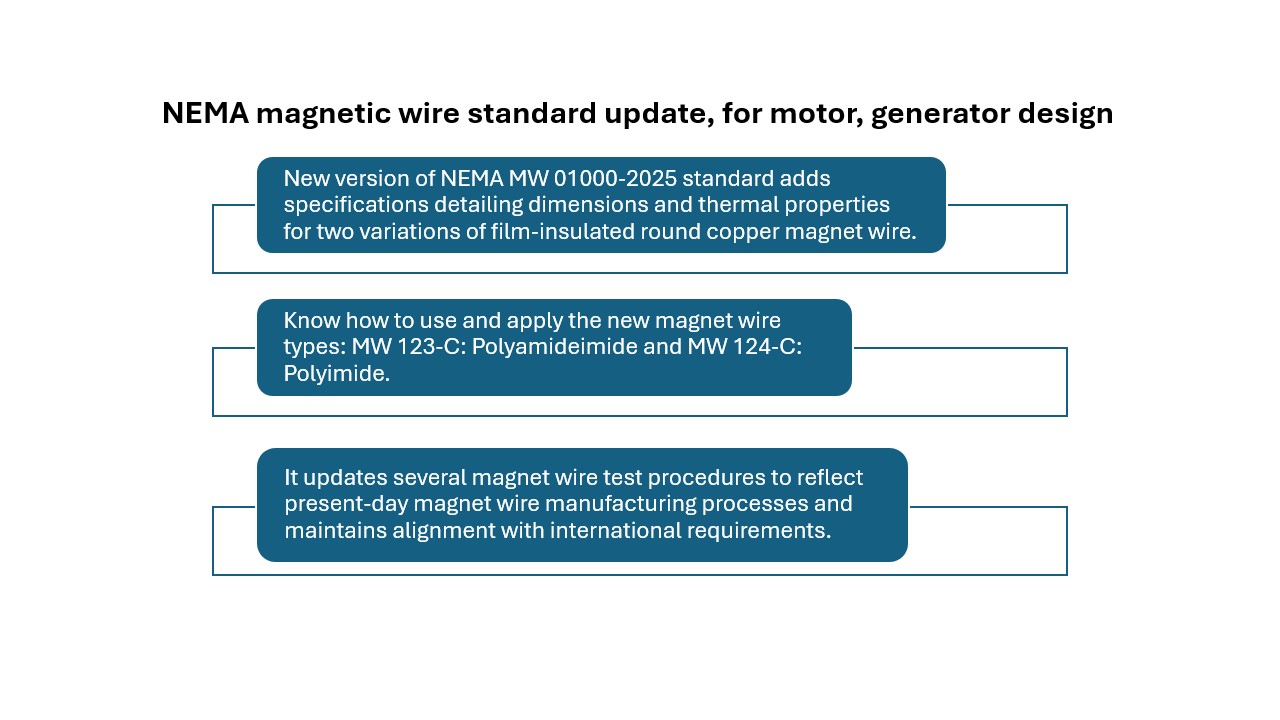
1. NEMA magnetic wire standard helps with electric motor design
The standard covers magnet wire dimensions, tolerances and test procedures for coils used in electrical equipment.
2. Honeywell reorganizes, rolls out AI-enabled autonomous systems
Digital cognition technologies will drive safer operations, better performance in complex environments and bridge the skills gap.
3. Results are in: Control Engineering Career and Salary Survey, 2026
Benefits and salaries decreased. Artificial intelligence, machine learning and automation application upgrades top the list of leading automation technologies. Lack of skilled workers and the economy are the leading manufacturing business challenges.
4. How to justify automation, use AI to help robotics
Apply automation more effectively with these tips on automation justification, collaborative robotics, industrial robots and integrating artificial intelligence (AI).
5. Power quality fundamentals, VFD impacts
Power quality can significantly impact facility and utility electrical systems, including causing equipment outages and failures. This article describes the basics of power quality, identifies the types of disturbances and how to monitor and mitigate them, and explains how VFDs can affect power quality.
6. PID spotlight, part 29: How to shape PID controller response – self-limiting processes
You need aggressive control to manage disturbances, but when you change setpoint the control response upsets the process. How can you shape the controller response to meet your needs?
7. New sensor platform designed specifically for monitoring
A fit-for-purpose wireless sensing system provides remote visibility into asset condition and performance, minimizing the need for routine field inspections.
8. Discover how Pepsico realized early digital transformation results
Industrial organizations cited benefits from industrial AI-enabled planning, design, engineering and operations software at Realize Live Americas 2026 from Siemens Digital Industries Software. Engineering design software can operate 1,000 times faster with geometric deep learning, rapid design exploration and real-time multi-disciplinary simulation.
9. PID spotlight, part 30: How to shape PID controller response – integrating processes
When you change your level controller setpoint the response upsets your process. What is the best technique to shape the response to your needs?
10. Latest automation mergers, May 2026: System integration, flow controls, robotics
The Bundy Group reported 12 automation transactions in its May 2026 summary reports. Analysis on the acquisitions and reports are highlighted below including transactions involving Automation Werx, Honeywell Intelligrated and Mind Robotics and others.
Check out the top articles from June here.